Planning a journey to the roof of the world? Nestled in the dramatic Karakoram Mountain Range of Gilgit-Baltistan, Pakistan, Hunza Valley is an enchanting high-altitude wonderland. Known across the globe for its towering 7,000-meter peaks, serene turquoise lakes, century-old fortresses, and unmatched local hospitality, Hunza is a bucket-list destination for road-trippers, mountain trekkers, family vacationers, and culture seekers alike.
Whether you are looking to witness the vibrant pink apricot blossoms of spring, drive along the legendary Karakoram Highway in summer, capture the golden foliage of autumn, or explore quiet winter wonderlands, this master Hunza Valley travel guide provides everything you need to plan your trip.
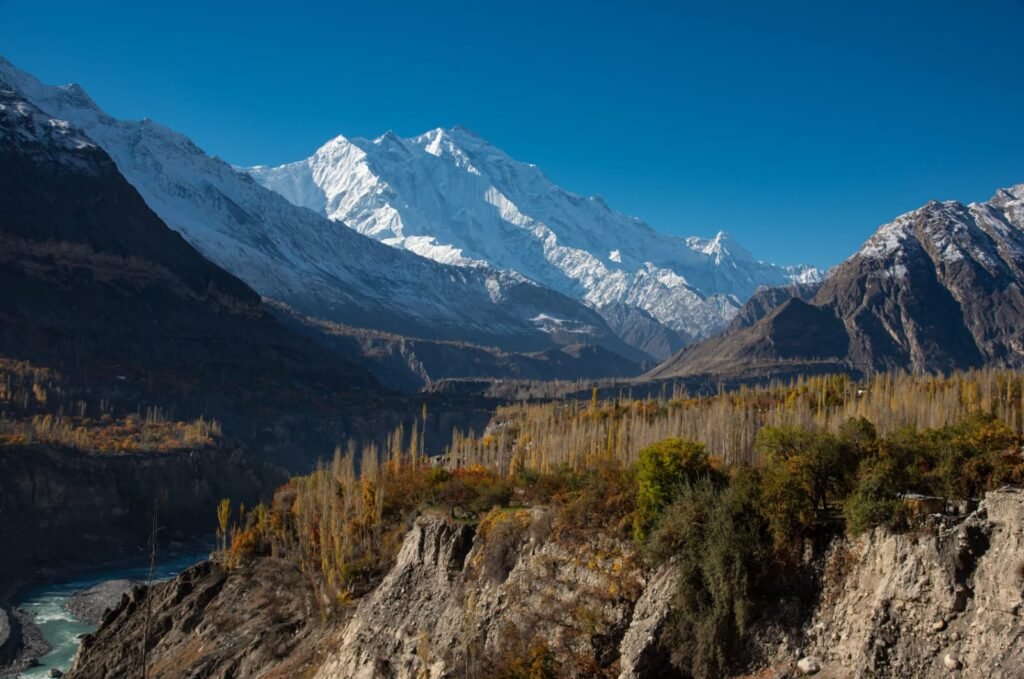
1. Understanding Hunza: Geography, History, and Culture
To truly appreciate Hunza, it helps to understand how the valley is geographically and culturally structured. Hunza is divided into three distinct zones—Lower Hunza, Central Hunza, and Upper Hunza (Gojal)—each offering a unique culture, language, and landscape.
+-------------------------------------------------------------------+
|                        HUNZA VALLEY REGIONS                       |
+-------------------------------------------------------------------+
| LOWER HUNZA      | Nasirabad, Mayoon, Khanabad                    |
|                  | Majestic gateway views of Rakaposhi            |
+------------------+------------------------------------------------+
| CENTRAL HUNZA    | Karimabad, Altit, Aliabad, Duikar              |
|                  | Historic hubs, ancient forts, vibrant markets  |
+------------------+------------------------------------------------+
| UPPER HUNZA      | Gulmit, Passu, Attabad, Sost, Khunjerab Pass   |
| (GOJAL)          | Lakes, high-altitude passes, iconic peaks      |
+-------------------------------------------------------------------+
The People and Language
Unlike many mountain regions, Hunza boasts an extraordinarily high literacy rate—exceeding 95% in many villages. The local people are celebrated for their longevity, warmth, and progressive communal values.
- Central and Lower Hunza: Primarily inhabited by the Burusho people, who speak Burushaski—an ancient language isolate unrelated to any other spoken language on Earth.
- Upper Hunza (Gojal): Inhabited by the Wakhi people, who speak Wakhi (an Eastern Iranian language) and share deep cultural ties with neighbors in Tajikistan, Afghanistan’s Wakhan Corridor, and Xinjiang.
2. Best Time to Visit Hunza Valley: A 4-Season Breakdown
Hunza undergoes dramatic transformations throughout the year. Choosing the right month depends entirely on your travel preferences.
               [SPRING]                  [SUMMER]
           March to April             May to August
       Apricot & Cherry Blossom   Lush Greenery & Open Passes

               [AUTUMN]                  [WINTER]
         Sept to November            Dec to February
      Golden & Crimson Trees       Snow Peaks & Cold Silence
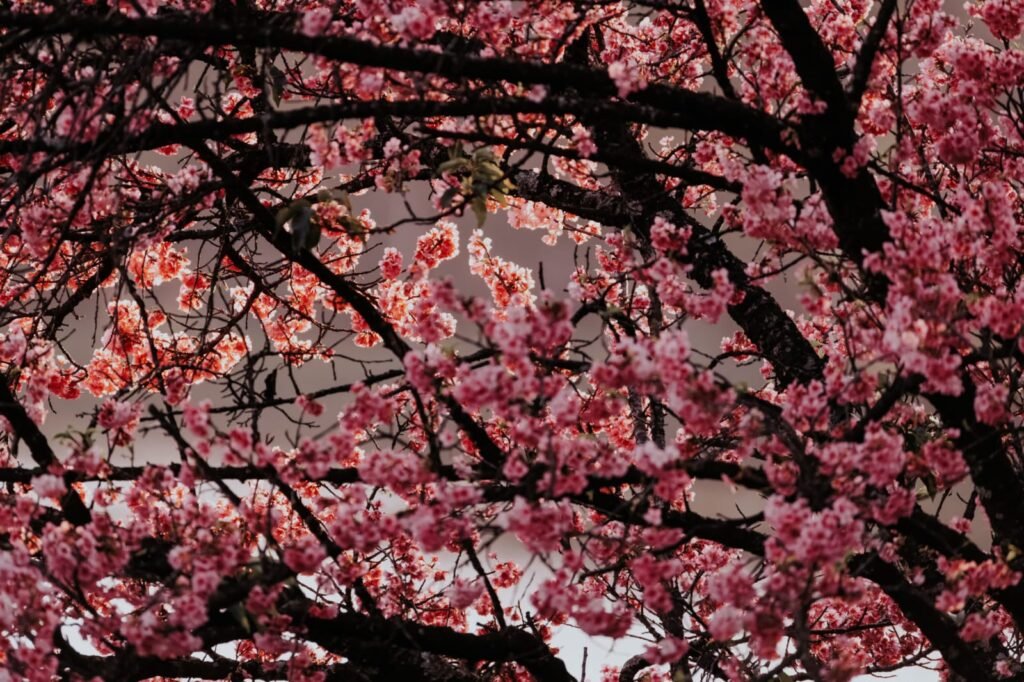
Spring (March – April): The Blossom Season
During late March and April, the valley floor awakens from winter with thousands of fruit trees bursting into bloom. White cherry blossoms and pink apricot flowers contrast against rugged, snow-capped peaks.
- Best for: Photographers, couples, and travelers seeking cool, pleasant weather with fewer tourist crowds.
- Temperature Range: 5∘C to 18∘C.
Summer (May – August): Peak Exploring & Trekking Season
Summer brings warm temperatures, clear roads, and full access to high mountain passes like Babusar Pass. All trekking routes, alpine meadows, and high-altitude border posts are fully open.
- Best for: Families, road trips, water sports on lakes, and long mountain treks.
- Temperature Range: 15∘C to 30∘C in the main valleys.
Autumn (September – November): The Golden Canvas
Widely regarded by international travel photographers as Hunza’s most magical season, autumn turns the poplars, fruit orchards, and terraced fields into vibrant shades of gold, amber, and crimson.
- Best for: Landscape photography, peaceful travel, and crisp autumn breezes.
- Temperature Range: 2∘C to 16∘C.
Winter (December – February): The Serene Frozen Realm
Winter transforms Hunza into a quiet, snow-covered retreat. Lower tourism numbers mean lower accommodation rates, though high passes like Babusar close due to heavy snowfall, requiring travel via the Karakoram Highway (Besham route).
- Best for: Off-grid travelers, ice skating on frozen ponds, and snowscapes.
- Temperature Range: −10∘C to 8∘C.
3. Top Places to Visit in Hunza Valley
1. Baltit Fort (Karimabad)
Perched on a high rocky cliff in Karimabad, the Baltit Fort stands as an 800-year-old architectural masterpiece. Built with a unique blend of Tibetan, Kashmiri, and Central Asian wood-and-stone techniques, it once served as the royal palace for the Mirs (rulers) of Hunza. A guided walk through its wooden chambers, ancient guard towers, and royal dining halls provides an intimate peek into centuries of feudal Himalayan history.
2. Altit Fort & The Royal Apricot Garden
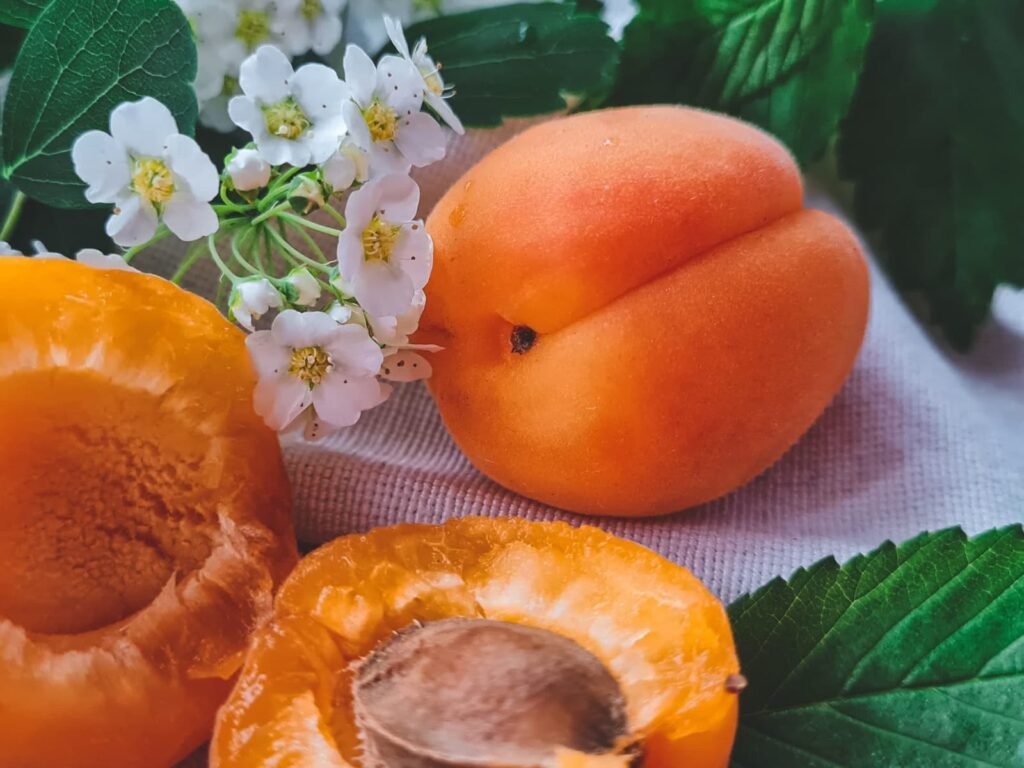
Older than Baltit Fort, Altit Fort sits dramatically on a sheer 1,000-foot vertical cliff over the Hunza River. Carefully restored by the Aga Khan Trust for Culture, the fort includes the ancient village of Altit at its base. Stroll through the tranquil Royal Apricot Garden, where lush fruit trees provide shade and host local cultural cafes managed by local women artisans.
3. Eagles Nest (Duikar)
For panoramic views of the Hunza Valley, head to Duikar, commonly known as Eagles Nest. Perched at over 2,850 meters above sea level, this natural rock formation offers view of six major 7,000-meter peaks at once:
- Rakaposhi (7,788m)
- Ultar Sar (7,388m)
- Golden Peak / Spantik (7,027m)
- Ladyfinger Peak (Bublimoting) (6,000m)
- Diran Peak (7,266m)
- Passu Peaks (7,478m)
Pro Tip: Visit Eagles Nest at sunrise or sunset when the mountain wall turns pink and brilliant orange.
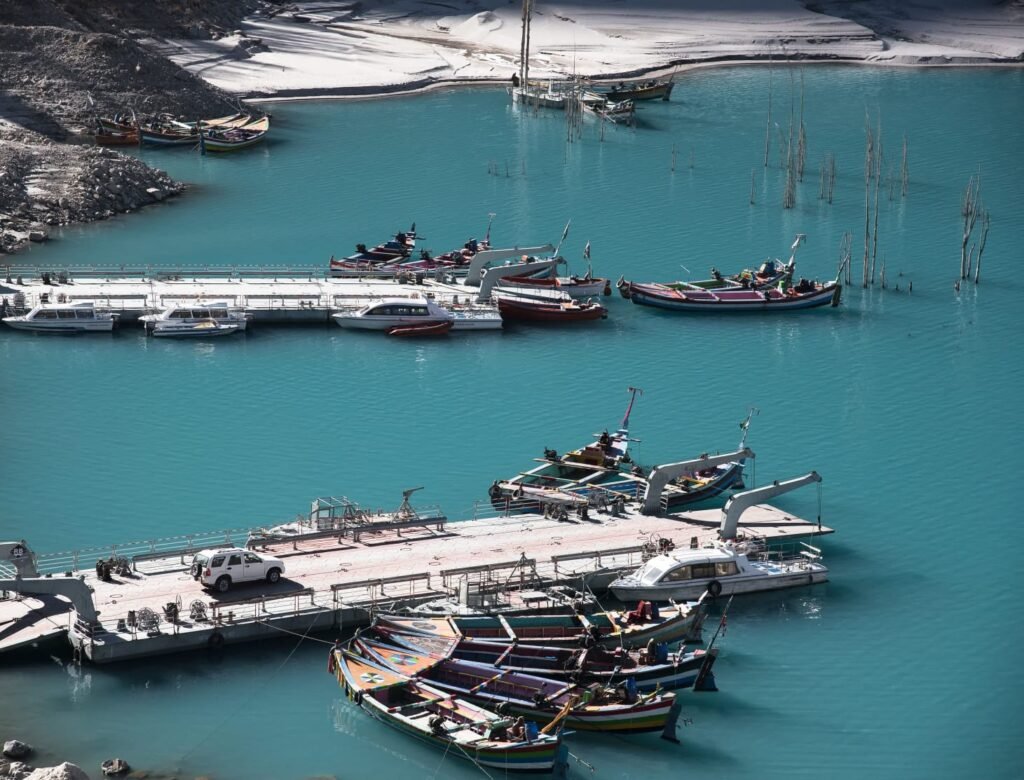
4. Attabad Lake
Formed in January 2010 following a major landslide that dammed the Hunza River, Attabad Lake has become one of Pakistan’s most iconic natural attractions. Spanning over 21 kilometers in length, its turquoise waters offer jet-skiing, speed-boating, kayaking, and luxury wooden resort stays right on the water’s edge.
5. Passu Cones (The Cathedral Peaks)
Standing alongside the Karakoram Highway in Upper Hunza, the Passu Cones (also called Cathedral Peaks) are among the most photographed rock formations in Asia. Their needle-sharp, sawtooth granite spires pierce the sky at 6,106 meters, creating a dramatic backdrop along the riverbank.
6. Hussaini & Passu Suspension Bridges
Engineered out of cables and wooden planks spaced widely apart, the Hussaini Suspension Bridge and Passu Suspension Bridge span the fast-flowing Hunza River. Crossing these swaying bridges is a classic Hunza adventure that rewards visitors with views of the canyon and surrounding peaks.
7. Khunjerab Pass (Pak-China Border)
Drive along the Karakoram Highway up to Khunjerab Pass, the world’s highest paved international border crossing at 4,693 meters (15,397 feet) above sea level. Located inside Khunjerab National Park, the pass features the world’s highest operational ATM. Keep your eyes open for local wildlife like Himalayan Ibex, Golden Eagles, Yaks, and Marmots.
4. Off-the-Beaten-Path & Day Trips from Hunza
If you want to escape the main tourist centers and experience deeper mountain wilderness, consider adding these hidden gems to your itinerary:
+-------------------------------------------------------------------+
|               OFF-THE-BEATEN-PATH EXCURSIONS                      |
+-------------------------------------------------------------------+
| Hopper Valley & Glacier  | 2-hour jeep ride into Nagar Valley     |
| Borith Lake              | High-altitude saline lake for birding  |
| Shimshal Valley          | Remote village of high-altitude climbers|
| Ultar Meadows Trek       | 4-hour hike above Karimabad Bazaar     |
| Chapursan Valley         | Ancient Silk Road valley near Pamirs   |
+-------------------------------------------------------------------+
- Hopper Valley & Hopper Glacier (Nagar): Located directly across the river from Hunza in Nagar Valley, the black-and-white ice waves of Hopper Glacier are easily accessible via a short hike down into the glacial moraine.
- Borith Lake: A peaceful high-altitude lake located above Gulmit. Borith Lake is a migratory stopover for wild ducks and geese, and serves as the starting point for day treks toward the Passu and Ghulkin Glaciers.
- Ultar Meadows Trek: A rewarding 4-to-5-hour day hike starting from behind Baltit Fort in Karimabad. The trail weaves up through a narrow gorge along a glacier water channel, opening into high alpine pastures directly beneath Ultar Sar and Ladyfinger Peak.
- Shimshal Valley: Reachable via an adventurous jeep road that cuts through narrow mountain gorges, Shimshal is the highest settlement in Hunza. Famous for producing world-class high-altitude mountaineers, Shimshal offers access to vast pastures and trekking routes like the Shimshal Pass.
5. Authentic Hunzai Culinary Guide
Hunzai cuisine is unique, healthy, and organic. Rich in apricot kernel oil, whole grains, and fresh dairy, trying these traditional dishes is a highlight of visiting the region:
+-------------------------------------------------------------------+
|                     MUST-TRY LOCAL DISHES                         |
+-------------------------------------------------------------------+
| Chapshuro       | "Hunzai Pizza" filled with seasoned meat/onions |
| Dawdo           | Hearty noodle soup made with organic dough      |
| Gyaling / Gral  | Thin wheat pancakes brushed with kernel oil     |
| Tumuro Tea      | Wild aromatic mountain herbal tea               |
| Diram Fitti     | Whole-wheat bread dessert made with malted flour|
+-------------------------------------------------------------------+
- Chapshuro: Often called the “Hunzai Pizza,” Chapshuro is a flat bread stuffed with minced beef, yak meat, or chicken mixed with onions, coriander, and local mountain spices, then baked on a flat stone or iron skillet.
- Dawdo: A comforting, hot soup made with hand-cut wheat noodles, shredded chicken or mutton, crushed garlic, and wild herbs—ideal for chilly evenings.
- Tumuro Tea: Brewed from wild wild thyme (Tumuro) gathered on high mountain slopes, this tea is known for its aromatic taste and digestive benefits.
- Kha Basi Cafe (Altit): Located in the Royal Gardens of Altit Fort, this heritage eatery is operated entirely by local women and serves authentic Hunzai dishes made with fresh local ingredients.
6. Detailed 7-Day Hunza Valley Itinerary
This 7-day road itinerary provides a balanced pace, covering Central Hunza, Upper Hunza (Gojal), and the Chinese border.
Day 1: Islamabad ──(via Babusar/Besham)──> Chilas / Naran
Day 2: Chilas / Naran ──(via KKH)─────────> Karimabad (Central Hunza)
Day 3: Karimabad Forts & Sunset at Eagles Nest
Day 4: Central Hunza ──> Attabad Lake ────> Gulmit / Passu (Upper Hunza)
Day 5: Passu ──(via KKH & Sost)───────────> Khunjerab Pass ──> Karimabad
Day 6: Karimabad ──(Return Journey)───────> Naran / Besham
Day 7: Naran / Besham ────────────────────> Islamabad
Day 1: Islamabad to Chilas / Naran
- Morning: Depart early from Islamabad via the Hazara Motorway.
- Afternoon: If traveling between June and October, take the scenic route through Naran Kaghan Valley and cross the Babusar Pass (4,173m). If traveling in winter, take the main Karakoram Highway route through Besham.
- Evening: Arrive and check into your hotel in Naran or Chilas for dinner and rest.
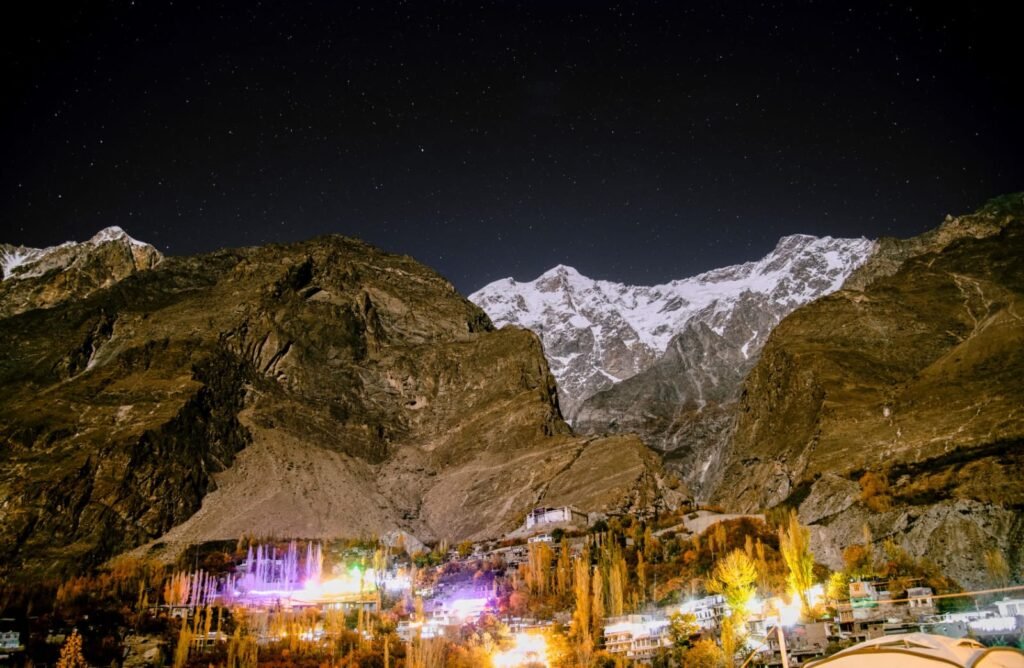
Day 2: Journey along the KKH to Central Hunza
- Morning: Drive north along the Karakoram Highway. Stop at the Junction Point of Three Mountain Ranges (where the Himalayas, Karakoram, and Hindu Kush meet).
- Afternoon: Pause at the Rakaposhi Viewpoint in Ghulmet, Nagar. Enjoy lunch while admiring the massive white wall of Rakaposhi rising directly beside the highway.
- Evening: Arrive in Karimabad, check into your hotel, and take a gentle evening walk through Karimabad Bazaar.
Day 3: Heritage & Views in Central Hunza
- Morning: Take a guided historical tour of Baltit Fort.
- Afternoon: Visit Altit Fort and take a walk through the Royal Apricot Garden. Stop for a traditional lunch at Kha Basi Cafe.
- Late Afternoon: Drive up the winding road to Duikar (Eagles Nest). Watch the sunset illuminate Rakaposhi and Ladyfinger Peak.
Day 4: Upper Hunza & The Turquoise Waters
- Morning: Check out of Karimabad and drive north through the KKH tunnels to Attabad Lake. Enjoy a motorboat or jet-ski ride across the lake.
- Afternoon: Continue to Gulmit and walk across the famous Hussaini Suspension Bridge.
- Evening: Drive toward Passu, take photos of the iconic Passu Cones, and spend the night at a guesthouse in Gulmit or Passu.
Day 5: The Edge of Pakistan: Khunjerab Pass
- Morning: Embark on a day trip along the highway past Sost Dry Port into Khunjerab National Park.
- Afternoon: Reach Khunjerab Pass (4,693m) at the Pak-China Border. Capture photos at the border gate and see the world’s highest ATM.
- Evening: Drive back down toward Karimabad for your final night in Central Hunza.
Day 6: Return Journey South
- Morning: Say goodbye to Hunza and begin driving south along the KKH.
- Afternoon: Stop for lunch along the river drive near Gilgit or Jaglot.
- Evening: Arrive in Naran or Besham for an overnight hotel stay.
Day 7: Return to Islamabad
- Morning: Drive the final leg through the Hazara Motorway.
- Afternoon: Arrive back in Islamabad by late afternoon, bringing your mountain road trip to a close.
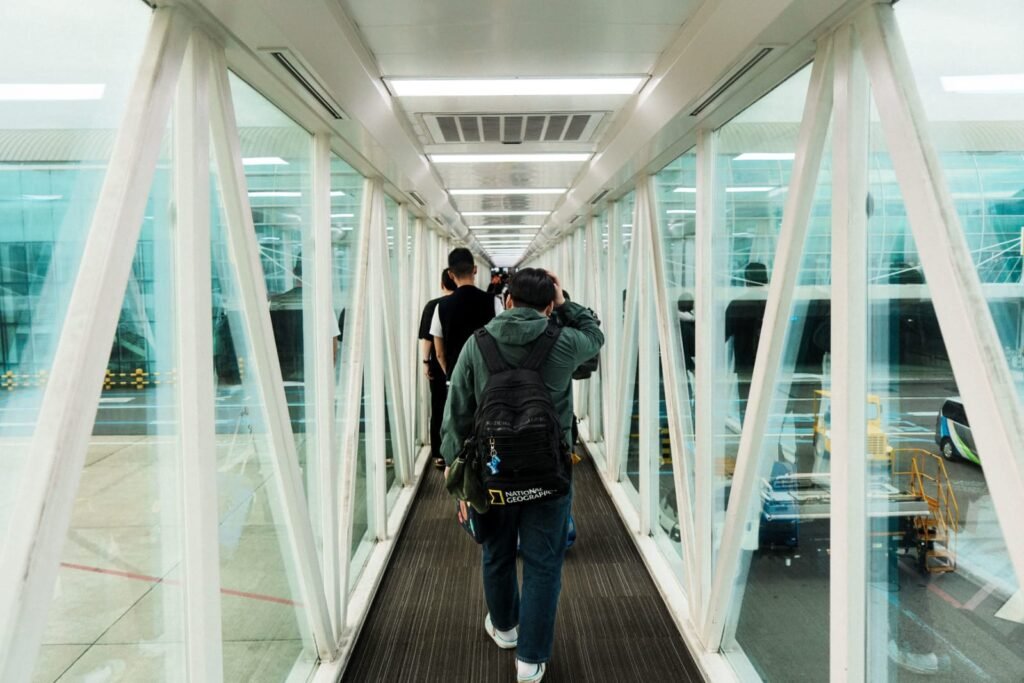
7. How to Reach Hunza Valley: Travel Options
                             [ISLAMABAD]
                                  │
         ┌────────────────────────┴────────────────────────┐
         ▼                                                 ▼
   [BY AIR ROUTE]                                  [BY ROAD ROUTE]
PIA Flight to Gilgit (1 Hr)                   Option A: Babusar Pass Route
         │                                    (14-16 Hrs - Summer Only)
         ▼                                                 │
2-Hour Drive via KKH to Hunza                 Option B: Besham Route (KKH)
                                              (16-18 Hrs - Year-Round)
Option A: By Air (Fastest)
- Flight Route: Fly from Islamabad International Airport (ISB) to Gilgit Airport (GIL) via Pakistan International Airlines (PIA). Flight time is roughly 1 hour.
- Gilgit to Hunza Transfer: From Gilgit, hire a private taxi or catch a local shared Hiace van to Karimabad, Hunza (approx. 2 hours via the paved KKH).
Important Note: Gilgit flights are weather-dependent. If clouds cover the mountains around Nanga Parbat, flights may be delayed or cancelled. Always keep a backup day in your schedule.
Option B: By Road (Overland Highway)
- Summer Route (via Babusar Pass): Islamabad → Hazara Motorway → Naran → Babusar Pass → Chilas → Gilgit → Hunza. Drive time is roughly 14 to 16 hours.
- Winter / All-Weather Route (via Besham): Islamabad → Hazara Motorway → Thakot → Besham → Dasu → Chilas → Gilgit → Hunza. Drive time is roughly 16 to 18 hours.
- Long-Distance Buses: Premium long-distance buses (such as Faisal Movers or NATCO) operate daily routes between Rawalpindi/Islamabad and Gilgit/Aliabad.
8. Accommodation Options in Hunza
Hunza offers lodging options ranging from backpacker hostels to luxury boutiques:
+-------------------------------------------------------------------+
|                     ACCOMMODATION TYPES                           |
+-------------------------------------------------------------------+
| Luxury Resorts   | $120 – $250 / night | Attabad Lake & Karimabad |
| Mid-Range Hotels | $40 – $80 / night   | Aliabad, Gulmit, Passu   |
| Budget Guesthouses| $10 – $25 / night  | Old Karimabad & Backstreet|
+-------------------------------------------------------------------+
- Luxury Resorts ($120 – $250+ USD / night): Properties perched along Attabad Lake or atop Duikar offering floor-to-ceiling glass windows, heated rooms, private balconies, and fine dining.
- Mid-Range Hotels & Boutiques ($40 – $80 USD / night): Comfortable hotels in Karimabad, Aliabad, and Gulmit with hot showers, reliable Wi-Fi, generator back-ups, and mountain views.
- Budget Guesthouses & Homestays ($10 – $25 USD / night): Family-run village guesthouses in Old Karimabad, Altit, or Gulmit. Homestays often include home-cooked traditional breakfasts and dinners, offering great value for solo travelers and students.
9. Comprehensive Cost & Budget Breakdown
To help you plan your finances, here are estimated per-person costs based on travel style (excluding international flights):
| Expense Category | Budget Traveler (Public Transport) | Mid-Range Traveler (Private Car / Hotels) | Luxury Traveler (Resorts & Flying) |
|---|---|---|---|
| Transport | $30 – $40 (Public bus / Hiace) | $150 – $250 (Shared car rental) | $350 – $500 (Return flights + private 4×4) |
| Accommodation | $10 – $20 / night | $40 – $70 / night | $130 – $220 / night |
| Food & Dining | $8 – $12 / day | $20 – $30 / day | $40 – $60 / day |
| Activities & Entry | $10 – $15 total | $25 – $40 total | $60 – $100 total |
| Estimated Total (7 Days) | $160 – $260 USD | $550 – $850 USD | $1,400 – $2,200 USD |
10. Essential Practical Advice & Travel Guidelines
1. Mobile Connectivity & Internet
Standard national SIM cards (like Jazz or Telenor) have limited or spotty coverage across Northern Pakistan. SCOM (a regional network provider in Gilgit-Baltistan) offers the most reliable 4G data coverage throughout Hunza, Karimabad, Attabad, and Passu. You can easily purchase a tourist SCOM SIM card in Gilgit or Aliabad using your passport or CNIC.
2. Cash and Banking
Cash is the primary payment method in mountain markets, smaller eateries, and guesthouses. While 1-Link ATMs are available in Aliabad, Karimabad, and Sost, they can occasionally run out of cash during busy long weekends or power outages. Carry enough physical Cash (PKR) for your daily expenses.
3. Checkpoints and Identification
There are several security checkpoints along the Karakoram Highway.
- Pakistani Citizens: Keep your original CNIC on hand at all times.
- Foreign Tourists: Carry valid passport copies and Pakistan Visa documentation. Having 10–12 physical paper copies of your passport and visa will speed up registration at highway checkpoints.
4. Eco-Tourism & Environmental Respect
Hunza is one of the cleanest mountain regions in South Asia. Plastic bags are officially banned in the valley to protect the alpine environment.
- Always pack out your trash when trekking.
- Use reusable water bottles instead of single-use plastic bottles.
- Respect local customs and ask before photographing village residents.
11. Frequently Asked Questions (FAQs)
1. Is Hunza Valley safe for foreign and solo female travelers?
Yes, Hunza Valley is widely recognized as one of the safest travel destinations in South Asia. The local communities are welcoming, literacy rates are high, crime rates are low, and female travelers regularly visit the region.
2. Do I need a special NOC permit to visit Hunza?
No, regular domestic travelers and most international tourists holding a standard Pakistan Tourist Visa do not require a Non-Objection Certificate (NOC) to visit main tourist centers in Hunza, Karimabad, Attabad, Passu, or Khunjerab Pass. Restricted border trek zones near the Pamir high passes may require local guides or special registration.
3. How do I avoid altitude sickness in Upper Hunza?
While Central Hunza (Karimabad) rests at a comfortable altitude of around 2,400 meters, heading up to Khunjerab Pass brings you to 4,693 meters. Stay hydrated, avoid heavy physical exertion immediately upon reaching high elevations, and take slow, steady steps.
Final Thoughts
A journey through Hunza Valley is more than just a mountain holiday—it is an unforgettable immersion into breathtaking landscapes, living history, and welcoming local culture. Pack your bags, keep your camera ready, and prepare for an incredible road trip along the Karakoram Highway!
“If you are planning a broader Northern Pakistan road trip, also check out our detailed guide on Skardu.”
Had pleasure to visit Hunza valley in last Autumn, it was so beautiful, peaceful, and lovely!