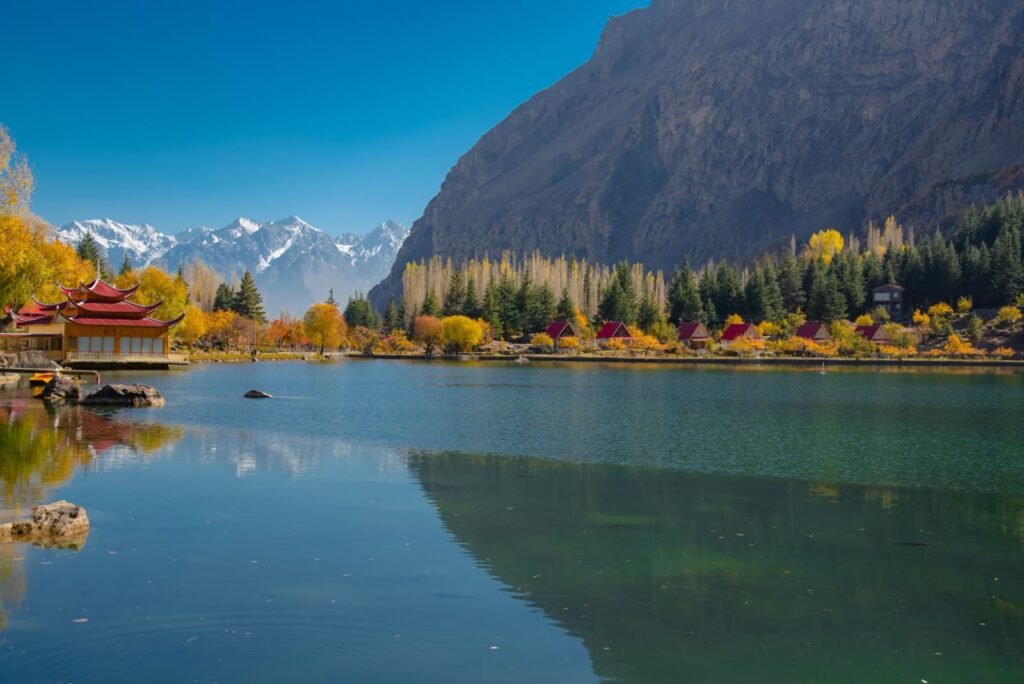
Introduction: Ultimate Skardu Travel Guide to the Roof of the World
Welcome to the Ultimate Skardu Travel Guide. Tucked away in the far north of Pakistan, deep within the Gilgit-Baltistan region, lies Skardu—a surreal landscape where towering snow-capped peaks meet sprawling cold deserts, high-altitude alpine plateaus, and turquoise glacial lakes. Sitting at an altitude of nearly 2,500 meters (8,200 feet) above sea level, Skardu is globally renowned as the strategic gateway to the mighty Karakoram mountain range, home to four of the world’s fourteen 8,000-meter peaks, including the formidable K2.
For decades, Skardu was considered an extreme destination accessible only to hardcore mountaineers, high-altitude trekkers, and international expeditions. However, major infrastructure upgrades—most notably the carpeted Jaglot-Skardu Road and regular commercial flights into Skardu’s upgraded international airport—have transformed this majestic valley into an accessible paradise for budget travelers, families, and road-trippers.
Despite its rising popularity, navigating Skardu on a budget requires careful planning. Due to its remote geographical location, seasonal weather shifts, and terrain requirements, costs can quickly escalate if you do not understand local transport logistics, regional timing, and accommodation choices.
This comprehensive, step-by-step travel guide provides everything you need to plan a seamless, cost-effective, and unforgettable journey to Skardu Valley. From exact seasonal breakdowns and transport strategies to day-by-day itineraries and budget optimization hacks, this guide covers it all.
Best Time to Visit Skardu Valley
Step 1: Seasonal Timing—When to Visit Skardu :
Choosing when to visit Skardu shapes your entire experience, including road conditions, local pricing, and sight accessibility. The valley undergoes dramatic visual transformations across four distinct seasons.
1. Spring (April to May): The Blossom Season
Spring in Skardu is characterized by the spectacular blooming of cherry, apricot, peach, and apple blossoms across the valley floor.
- Weather: Mild days with temperatures ranging from 10°C to 20°C, though nights remain chilly.
- Crowd & Costs: Moderate tourist traffic. Accommodation rates are reasonable, making it a fantastic window for budget travelers who want to avoid summer crowds.
- Highlights: Breathtaking floral landscapes contrasting against snow-capped peaks, ideal for photography and cultural exploration.
2. Summer (June to September): Peak Adventure Season
Summer is the primary travel season in Skardu. High-altitude passes clear of snow, and major attractions like the Deosai National Park open completely.
- Weather: Warm and pleasant daytime temperatures (20°C to 28°C), making outdoor activities comfortable.
- Crowd & Costs: Peak tourist season. Accommodation and private jeep rental prices hit their annual high. Early booking is essential.
- Highlights: Fully accessible high-altitude lakes, open jeep tracks to Deosai, lush green meadows, and clear skies.
3. Autumn (October to November): The Golden Season
Autumn transforms Skardu into a vibrant canvas of golden yellows, deep oranges, and fiery reds as the trees shed their leaves.
- Weather: Crisp, cool days (8°C to 15°C) with rapidly dropping night temperatures that often dip near freezing by late November.
- Crowd & Costs: Low to moderate tourism. Prices drop by 30% to 40% compared to summer peak rates.
- Highlights: Unmatched landscape photography, clear atmospheric conditions, and peaceful sightseeing without heavy tourist crowds.
4. Winter (December to March): The Frozen Frontier
Winter turns Skardu into a serene white wonderland, but it presents extreme environmental challenges.
- Weather: Freezing conditions with daily temperatures dropping well below zero (-5°C to -15°C).
- Crowd & Costs: Off-peak season. Hotels offer heavy discounts, but many remote guesthouses and high-altitude routes close down.
- Highlights: Frozen lakes (like Shangrila and Basho), snow-covered cold deserts, and dramatic winter photography.
Pro Tip: For the absolute best value for money, target late May or late September (Shoulder Season). You get great weather, fully open roads, and lower hotel prices.
Step 2: Logistics—How to Get to Skardu on a Budget :
Reaching Skardu requires choosing between a fast aerial route or an adventurous overland journey. Your decision directly impacts both your travel timeline and your total budget.
Option 1: By Air (Islamabad to Skardu Direct Flights)
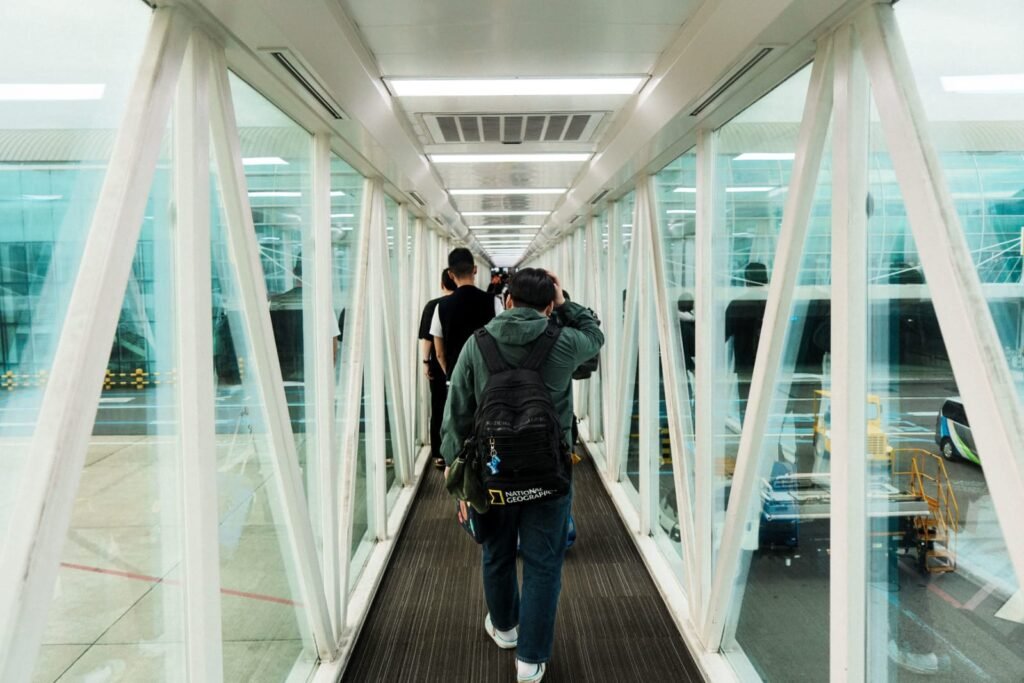
Pakistan International Airlines (PIA) and domestic private carriers operate daily flights connecting Islamabad directly to Skardu Airport.
- Travel Duration: Approximately 45 to 60 minutes.
- Average Cost: $70 to $150 USD one-way (depending on booking lead time and season).
- Pros: Unbelievably fast and offers scenic aerial views of Nanga Parbat and the Himalayan/Karakoram ranges.
- Cons: Flights are highly weather-dependent. Mountain cloud cover or high winds can lead to sudden flight delays or cancellations.
Option 2: By Road via Karakoram Highway (KKH) and Jaglot-Skardu Road
For budget travelers and mountain enthusiasts, traveling overland by public coaster, private car, or shared transport is the most economical method.
- Route: Islamabad → Abbottabad → Besham/Naran → Chilas → Jaglot → Skardu.
- Travel Duration: 20 to 24 hours of continuous travel from Islamabad.
- Average Cost: $15 to $25 USD per seat on public coasters or long-distance buses.
- Pros: Highly cost-effective and allows you to witness the legendary Karakoram Highway.
- Cons: Exhausting long-haul drive requiring physical stamina.
Budget Transport Strategy: If traveling solo or as a pair, book a seat on reputable long-distance bus services (such as NATCO or Faisal Movers) from Islamabad directly to Skardu. This avoids the high expense of renting a private car for the long overland leg.
Step 3: Top Attractions & Must-Visit Destinations in Skardu
Skardu is a vast district divided into several distinct valleys. To minimize transit times and fuel expenses, group your sightseeing by geographical location.
1. Shangrila Lake (Lower Kachura Lake) :
Located approximately 30 minutes before reaching main Skardu town, Lower Kachura Lake is famous for the Shangrila Resort, featuring iconic red-roofed cottages built around a heart-shaped lake.
- Key Activities: Lakeside walks, photography, and enjoying tea while viewing the reflections of surrounding mountains.
- Budget Tip: Entry to the main resort area requires a ticket or dining voucher. You can take stunning photos from designated public viewing spots nearby without staying at the luxury resort.
2. Upper Kachura Lake :
A short drive or a 15-minute uphill walk from Lower Kachura brings you to Upper Kachura Lake. Unlike its commercialized neighbor, Upper Kachura remains wild, pristine, and framed by fruit orchards.
- Key Activities: Traditional wooden boating, swimming during summer months, trout tasting at local lakeside stalls, and short nature hikes.
3. Deosai National Park (The Land of Giants)
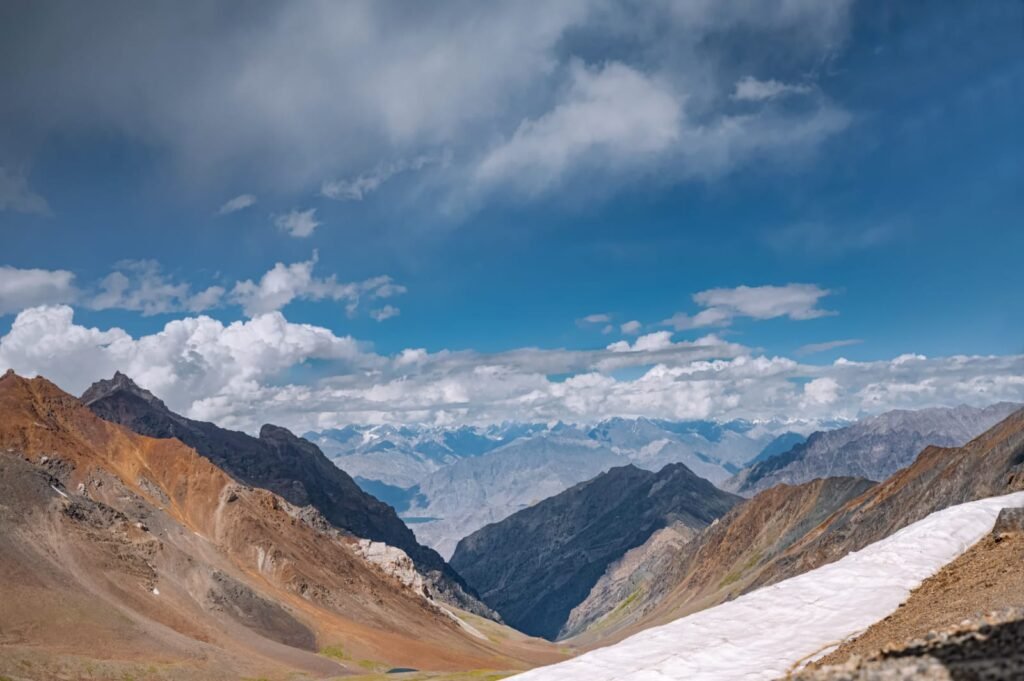
Deosai is the second-highest alpine plateau on Earth, sitting at an average elevation of 4,114 meters (13,497 feet). Spanning hundreds of square kilometers, this treeless wilderness is home to pristine flora, the Himalayan Brown Bear, and crystal-clear lakes.
- Key Highlights: Sheosar Lake (a high-altitude lake reflecting the Nanga Parbat peak), Bara Pani, and Kala Pani.
- Logistics Note: Visiting Deosai strictly requires a high-clearance 4×4 Jeep or Prado due to rough dirt tracks and water crossings.
4. Katpana Cold Desert & Sand Dunes
Katpana is one of the highest cold deserts in the world. Large sand dunes sit right alongside snow-capped mountains, creating a striking geographical contrast.
- Key Activities: Stargazing, sandboarding, quad biking, and capturing sunset photos over the dunes.
5. Shigar Valley & Shigar Fort (Fong-Khar)
Shigar Valley serves as the entry corridor for K2 mountaineering expeditions. The valley is rich in Balti culture, wooden architecture, and lush farmland.
- Key Highlights: Shigar Fort (a restored 17th-century palace now managed by Serena Hotels as a heritage boutique hotel), the ancient Amburiq Mosque, and the tranquil Blind Lake (Jarba Zoo).
6. Khaplu Valley & Manthokha Waterfall
Located approximately 100 kilometers east of Skardu town in the Ghanche District, Khaplu is an oasis of terraced fields, wooden bridges, and historic palaces.
- Key Highlights: Khaplu Palace (Yabgo Raja Fort), Chaqchan Mosque (one of the oldest mosques in the region, built in 1381), and Manthokha Waterfall (a 180-foot natural waterfall cascading down a cliff face).
7. Basho Valley
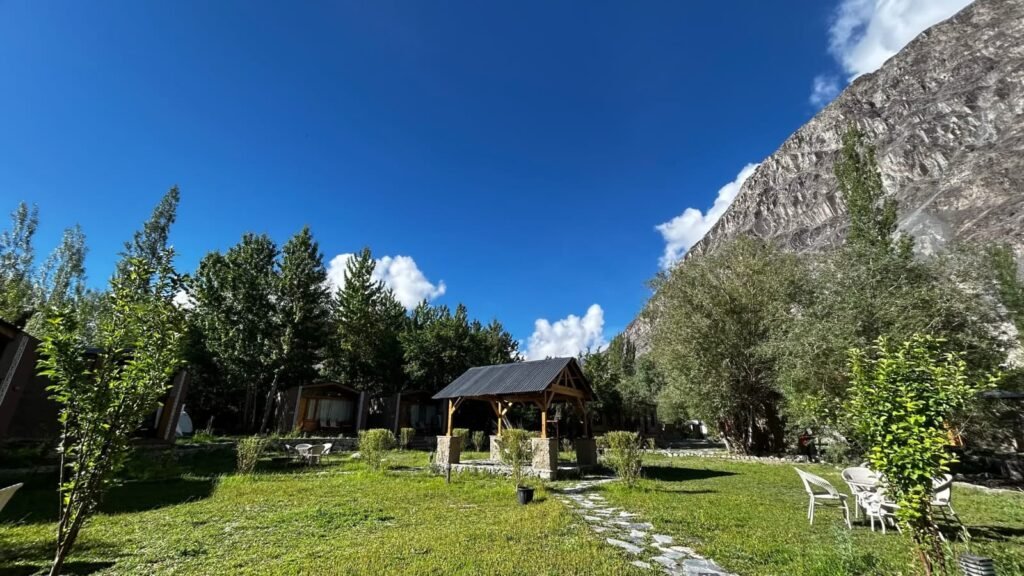
A secluded paradise located across the Indus River, Basho Valley is renowned for its dense pine forests, rushing streams, wide green meadows, and wooden bridges.
- Key Activities: Eco-camping, hiking through pine forests, and relaxing away from standard tourist crowds.
Step 4: Accommodations, Dining, and Money Management :
Managing daily living expenses effectively allows you to extend your stay in Skardu without overspending.
Accommodation Strategies for Every Budget :
- Budget Guesthouses & Homestays ($10 – $25 USD per night): Located mostly in Skardu main bazaar, upper Kachura, or local villages. These offer clean, basic rooms with hot water and authentic Balti hospitality.
- Mid-Range Hotels ($30 – $60 USD per night): Modern hotels offering reliable Wi-Fi, mountain views, generator power backup, and attached dining facilities.
- Heritage & Luxury Resorts ($120 – $250+ USD per night): High-end stays like Serena Shigar Fort, Serena Khaplu Palace, or Shangrila Resort for luxury seekers.
Pro Tip: Stay in family-run guesthouses in Upper Kachura or Shigar instead of expensive hotels in central Skardu town. You get better views, quieter surroundings, and significantly cheaper nightly rates.
Eating Like a Local in Baltistan :
Balti cuisine is nutritious, hearty, and light on spices, relying heavily on local grains, dairy, and fruits.
- Mamtu: Steamed dumplings stuffed with minced meat and onions, served with spicy chili sauce.
- Gyaling & Butter Tea: Traditional Balti flatbread served with salted butter tea (Pai Cha), a local staple for cold mornings.
- Fresh Alpine Trout: Freshly caught fried or grilled trout fish available near Upper Kachura Lake and Manthokha Waterfall.
- Dried Fruits: Skardu is famous for dried apricots, walnuts, almonds, and dried mulberries. Buy them directly from Skardu Main Bazaar for high quality and reasonable prices.
Smart Banking and Financial Logistics :
- Cash is King: While major hotels accept credit cards, cash is strictly required for local transport, street food, small guesthouses, and market shopping.
- ATMs: ATMs (such as HBL, NBP, and Bank AL Habib) operate in central Skardu town. However, system outages or network disconnections can occur. Always carry sufficient cash before heading out to remote valleys like Deosai, Khaplu, or Basho.
Step 5: The Ultimate 5-Day Skardu Itinerary
This 5-day itinerary is designed to optimize route efficiency, minimize unnecessary fuel costs, and ensure you cover all major highlights without feeling rushed.
Day 1: Arrival & The Kachura Lakes :
- Morning: Arrive in Skardu via flight or morning road arrival. Check into your hotel or guesthouse and freshen up.
- Afternoon: Head to Lower Kachura Lake (Shangrila Resort) for photos and lakeside tea.
- Late Afternoon: Walk or drive up to Upper Kachura Lake. Rent a wooden boat to cross the serene waters and sample fresh fried trout at a local stall.
- Evening: Return to your hotel for dinner and rest.
Day 2: The Deosai National Park Overland Adventure :
- 08:00 AM: Depart early from Skardu town in a pre-booked 4×4 Prado/Jeep.
- 10:30 AM: Ascend through Sadpara Village, stopping briefly at Sadpara Lake for photos.
- 12:30 PM: Enter Deosai National Park. Explore the wide open plains of Bara Pani and picnic along the streams.
- 02:30 PM: Reach Sheosar Lake. Enjoy the views of Nanga Parbat on clear days and take a quiet walk around the lake shore.
- 06:00 PM: Return to Skardu town before dark for dinner in the main bazaar.
Day 3: Shigar Valley, Blind Lake & Cold Desert :
- 09:00 AM: Drive toward Shigar Valley (approx. 45 minutes from main town).
- 10:30 AM: Stop at the Blind Lake (Jarba Zoo) for a short walk around the hidden water body.
- 12:00 PM: Tour the historic Shigar Fort and explore its surrounding fruit orchards and traditional Balti museum.
- 04:00 PM: Drive back toward Katpana Cold Desert. Spend the late afternoon walking through the sand dunes and watch the sunset over the desert.
- 07:30 PM: Try local Mamtu (steamed dumplings) at a local restaurant in Skardu Bazaar.
Day 4: Khaplu Valley & Manthokha Waterfall :
- 08:00 AM: Start an early day trip to Ghanche District (Khaplu Valley is about 2.5 to 3 hours drive from Skardu).
- 11:00 AM: Visit the stunning Manthokha Waterfall in Kharmang Valley. Enjoy fresh tea by the rushing water.
- 01:30 PM: Arrive in Khaplu town. Tour the magnificent Khaplu Palace and visit the historic Chaqchan Mosque.
- 04:30 PM: Visit the Khaplu Viewpoint for panoramic views of the Shyok River and surrounding peaks.
- 08:00 PM: Return to Skardu town for night rest.
Day 5: Kharpocho Fort, Local Markets & Departure :
- 08:00 AM: Take a short morning hike up to Kharpocho Fort (King’s Fort), perched on a cliff overlooking Skardu city and the Indus River junction.
- 11:00 AM: Spend your final hours browsing Skardu Main Bazaar. Pick up dried apricots, walnuts, local handwoven woolens (Pattu), and souvenirs.
- Afternoon: Head to Skardu Airport for your return flight or board your evening bus back to Islamabad.
💰 Skardu Trip Estimated Cost & Budget Guide (2026)
Planning a trip to Skardu requires a clear understanding of expenses, as costs can vary significantly depending on whether you travel by road or air. Here is a comprehensive per-person cost breakdown for a 5-to-7-day trip to help you budget effectively.
1. Transport & Travel Expenses
- By Air (Flights): Round-trip flights from Islamabad to Skardu cost between PKR 45,000 to PKR 70,000 per person, depending on the season and how early you book.
- By Road (Bus / Coaster): Sleeper buses or public coasters via the Karakoram Highway cost approximately PKR 8,000 to PKR 14,000 round-trip per seat.
- Local 4×4 Jeep Rentals: Exploring off-road spots like Deosai National Park, Basho Valley, and Katpana requires a 4×4 Jeep/Prado, which costs PKR 12,000 to PKR 18,000 per day. (Sharing this cost among a group of 4 to 5 people drastically reduces individual expenses).
2. Accommodation & Stay
- Budget Guest Houses & Camping: PKR 3,000 to PKR 6,000 per night.
- Standard Hotels (Skardu Town / Kachura): PKR 8,000 to PKR 16,000 per night (twin-sharing).
- Luxury Resorts & Glamping: PKR 25,000 to PKR 50,000+ per night.
3. Food & Dining Costs
- Daily food expenses average between PKR 2,000 to PKR 3,500 per person for standard meals.
- Must-try local dishes: Skardu Trout Fish, traditional Balti Dumplings (Mamtu), and local herbal soups.
4. Entry Permits & Activity Fees
- Deosai National Park Entry: PKR 100 (Domestic Travelers) / PKR 1,000+ (Foreign Visitors).
- Fort Entry Fees (Shigar & Khaplu Forts): PKR 300 to PKR 500 per person.
- Katpana Cold Desert Activities: Quad biking and boating range from PKR 1,500 to PKR 3,000 per activity.
📊 Total Estimated Budget Breakdown (5–7 Days)
| Category | Budget Traveler (By Road) | Standard Traveler | Luxury Traveler (By Air) |
| Transport | PKR 10,000 – 15,000 | PKR 45,000 – 65,000 | PKR 70,000 – 90,000 |
| Accommodation (Per Person) | PKR 12,000 – 18,000 | PKR 30,000 – 45,000 | PKR 80,000 – 150,000 |
| Food & Meals | PKR 10,000 – 14,000 | PKR 18,000 – 24,000 | PKR 35,000 – 50,000 |
| Jeep Rentals & Excursions | PKR 10,000 – 15,000 | PKR 15,000 – 25,000 | PKR 30,000 – 45,000 |
| TOTAL ESTIMATED COST | PKR 42,000 – 62,000 | PKR 108,000 – 159,000 | PKR 215,000 – 335,000+ |
🏁 Final Thoughts: Is Skardu Worth Visiting?
Skardu is more than just a destination—it is an unforgettable journey into the heart of Karakoram’s raw, natural majesty. From the serene waters of Shangrila and Kachura Lakes to the surreal landscapes of the Katpana Cold Desert and the high-altitude wilderness of Deosai, every corner of Skardu offers a unique blend of breathtaking scenery and genuine Balti hospitality.
Whether you are an outdoor adventurer tackling rugged mountain passes or a traveler simply looking to disconnect and recharge amidst nature, Skardu delivers an experience like no other. Plan your itinerary wisely, book your transport early, and prepare yourself for a journey through one of South Asia’s most spectacular travel gems.
💬 Over to You!
Have you been to Skardu, or is it on your travel bucket list for 2026? If you have any questions about planning your trip, feel free to drop a comment below—and don’t forget to share this guide with your travel partners!