
Introduction: The New Era of Global Budget Travel :
Learning how to travel the world on a budget doesn’t mean sacrificing incredible experiences or comfort. Traveling the world is often portrayed as an expensive privilege reserved exclusively for the wealthy, digital nomads with massive passive incomes, or trust-fund adventurers. Glossy social media feeds fuel the misconception that experiencing global culture requires staying in five-star resorts, flying business class, and spending thousands of dollars per week.
However, the reality of global travel in 2026 is radically different.
Budget travel is not about sacrificing comfort, safety, or memorable experiences. It is an intentional, strategic approach to resource allocation. It means spending money where it actually enhances your journey—such as authentic local culinary experiences, immersive cultural tours, and seamless transportation—while eliminating unnecessary corporate markups on middleman booking platforms, inflated tourist traps, and avoidable banking fees.
Whether your dream is exploring ancient architecture in Europe, relaxing on pristine tropical beaches in Southeast Asia, or navigating vibrant night markets in South America, mastering budget travel empowers you to travel longer, deeper, and far more frequently.
This comprehensive guide breaks down the exact end-to-end framework, proven strategies, and modern digital tools required to travel the world on a budget without compromising your travel experience.
Step 1: Strategic Destination Planning and Seasonal Timing :
The single biggest factor dictating the total cost of any trip is destination selection combined with seasonal timing. A week spent in a high-cost country during peak summer can easily fund a month-long trip to an equally breathtaking destination during its optimal travel window.
Understanding Travel Seasons :
To maximize your budget, you must align your travel schedule with the geographical travel seasons:
- Peak Season (High Season): Characterized by ideal weather, national holidays, and major school breaks. Prices for flights, hotels, and tours soar by 50% to 200%, and popular attractions suffer from extreme overcrowding.
- Shoulder Season (The Sweet Spot): The period immediately before or after the peak season (typically Spring and Autumn in most regions). Weather remains pleasant, crowds drop significantly, and accommodation and flight rates drop by 30% to 50%.
- Low Season (Off-Peak): Usually coincides with extreme weather conditions (monsoons, extreme heat, or freezing winters). While prices hit absolute rock bottom, certain tourist infrastructure and ferry services may operate on limited schedules.
Pro Tip: Always target the Shoulder Season. You get 90% of the peak season weather benefits at 50% of the cost.
Geographically Smart Routing :
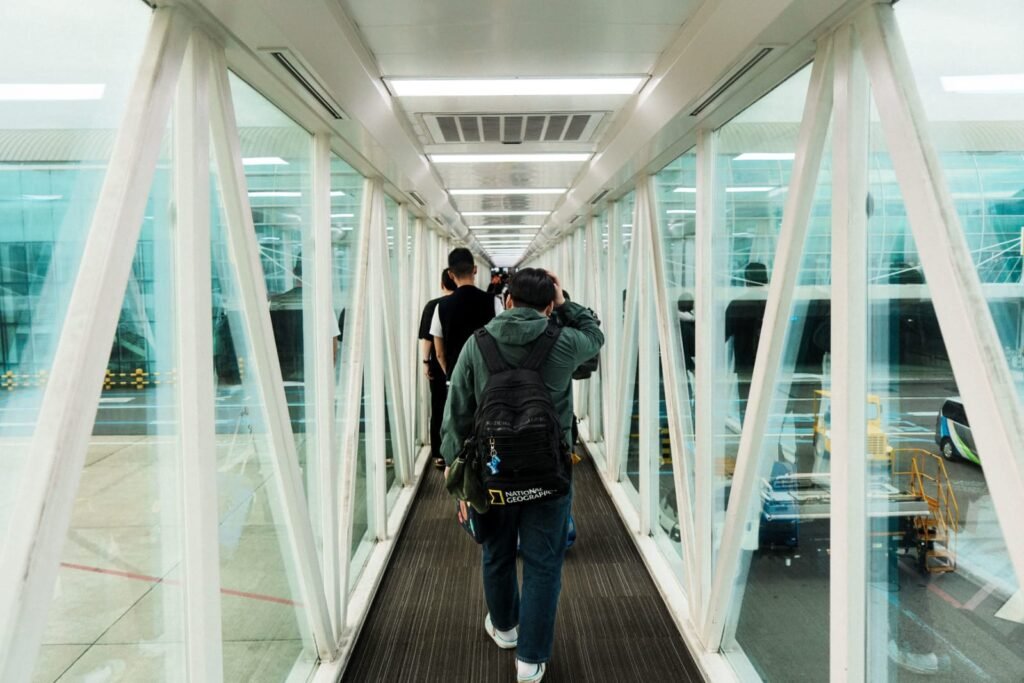
Instead of booking multiple point-to-point round-trip flights from your home country, leverage regional travel hubs. Fly into a major international budget hub and use low-cost regional carriers, buses, or trains to explore surrounding nations.
- Southeast Asia Hubs: Bangkok (Thailand), Kuala Lumpur (Malaysia), Singapore.
- Europe Hubs: London (UK), Frankfurt (Germany), Barcelona (Spain), Milan (Italy).
- Latin America Hubs: Mexico City (Mexico), Bogota (Colombia).
For detailed destination-specific breakdowns and itinerary ideas, explore our dedicated guides on tropical island escapes like [Bali Budget Travel Guide] and regional cultural hotspots like [Baku Budget Travel Guide].
Step 2: Mastering Cheap Flights & Transportation :
Airfare typically consumes the largest portion of any travel budget. Learning how the aviation pricing system works allows you to consistently book flights for a fraction of the standard retail price.
“Finding cheap flights is the most crucial step when you want to travel the world on a budget.”
1. Flexible Dates and Open-Jaw Routing :
If your travel dates are rigid, you are at the mercy of airline pricing algorithms. Use the flexible calendar grid views on flight aggregators like Google Flights and Skyscanner.
- Mid-Week Advantage: Flights departing on Tuesdays, Wednesdays, and Saturdays are statistically cheaper than flights on Fridays and Sundays due to business travel patterns and weekend holiday seekers.
- Open-Jaw Tickets (Multi-City): Instead of flying Round-Trip into and out of the same city (e.g., London to London), book an open-jaw ticket (e.g., Fly from London to Paris, and return from Rome to London). This saves both the time and expense of backtracking to your initial landing city.

2. Smart Price Alerts and Booking Windows :
Clearing browser cookies or browsing in Incognito mode does not dynamically drop flight prices—this is a persistent internet myth. Modern airline algorithms use dynamic pricing based on route demand, seat class capacity, and booking velocity.
- Use regional versions of airline websites (browsing a local airline’s domestic domain using their local currency often yields lower base fares).
- Set up automated fare alerts 2 to 5 months in advance on Google Flights or Hopper to capture sudden airline price drops and error fares.
3. Navigating Low-Cost Carriers (LCCs) :
Budget airlines (such as Ryanair, EasyJet, AirAsia, Wizz Air, and Flydubai) offer impossibly cheap base fares. However, their business model relies heavily on ancillary fees.
- Travel Carry-On Only: Master the art of one-bag travel. Packing lightweight, multi-functional clothing saves hundreds of dollars in checked-bag fees across multiple legs.
- Skip Seat Selection and Meal Add-Ons: Select your seat for free during online check-in (usually opening 24–48 hours before departure) and pack your own airport snacks.
- Download Boarding Passes Early: Certain budget airlines charge steep administrative fees if you require physical check-in assistance at the airport counter.
Step 3: Modern Accommodation Strategies Beyond Overpriced Hotels :
Where you sleep can either drain your bank account or stretch your daily budget by weeks. Traditional four-star hotels charge premium prices for amenities you rarely use when actively exploring a destination.
Smart Accommodation Options :
- Boutique Hostels ($10 – $35 per night): Best suited for solo travelers and remote workers. Offers high social interaction, free group tours, and shared kitchen facilities.
- Guesthouses & Homestays ($20 – $50 per night): Best suited for couples and budget families. Provides direct local cultural immersion and supports local family businesses.
- Apartment Rentals ($40 – $90 per night): Best suited for long-term travelers and groups. Includes a private kitchen, laundry, and cost-sharing opportunities among travel partners.
- House Sitting ($0 Free stays): Best suited for animal lovers and slow travelers. Free luxury home stays in exchange for basic pet care through platforms like TrustedHousesitters.
“With smart planning and local food choices, anyone can travel the world on a budget without breaking the bank.”
The Power of Shared Kitchens :
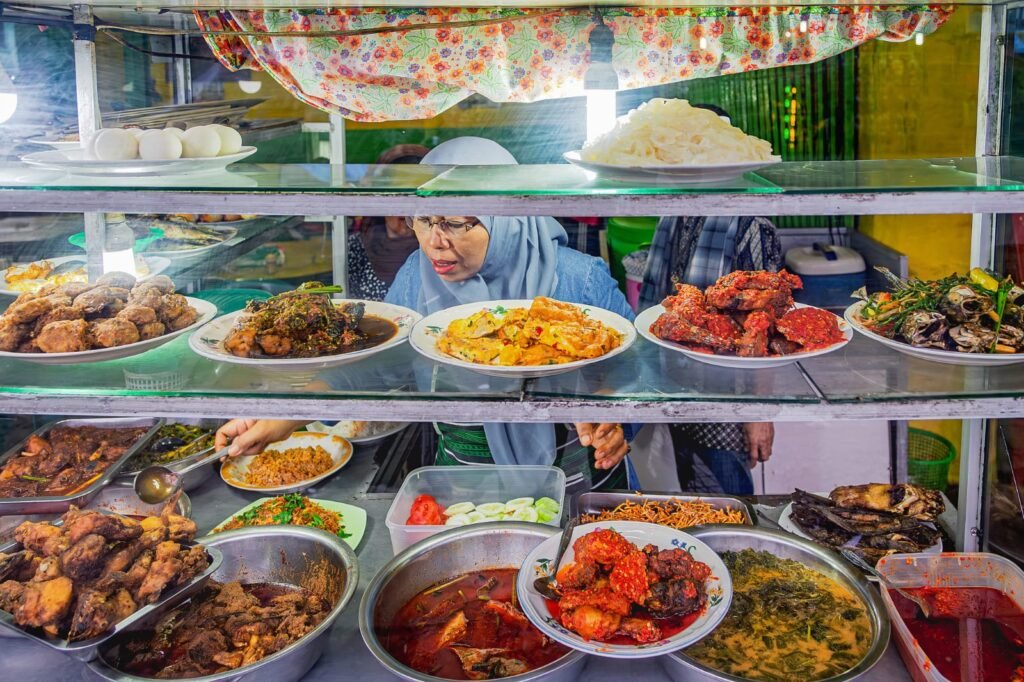
One of the most understated benefits of staying in hostels, guesthouses, or short-term rental apartments is access to kitchen facilities. Preparing just one meal a day—such as breakfast or an easy dinner using fresh ingredients purchased from local grocery markets—can easily reduce your daily food costs by 40%.
Step 4: Smart Money Management and Fee Elimination :
Losing money to foreign exchange markup fees, bad airport currency conversion rates, and international ATM transaction charges is equivalent to throwing cash directly into the ocean.
Key Rules for Global Money Management :
- ALWAYS Pay in Local Currency: Whenever you pay with a credit/debit card at a foreign restaurant, shop, or ATM, the payment terminal may ask if you want to be charged in your Home Currency or the Local Currency. Always choose Local Currency. Choosing your home currency triggers Dynamic Currency Conversion (DCC), where the merchant’s bank applies an inflated exchange rate markup between 5% and 12%.
- Use Digital Multi-Currency Accounts: Traditional banks frequently charge 3% foreign transaction fees plus flat international ATM fees. Modern digital multi-currency accounts (like Wise or Revolut) allow you to hold multiple global currencies simultaneously at real mid-market exchange rates with minimal fee overhead.
- Maintain an Emergency Cash Reserve: Never rely on a single financial access point. Keep a primary digital card in your wallet, a secondary physical card in your hotel safe, and store $100–$200 in crisp, undamaged USD or EUR notes tucked away safely for unexpected emergencies.
Step 5: Eating Like a Local—Culinary Authenticity on a Budget :
Food is an essential pillar of cultural discovery. Eating well on a budget does not mean consuming low-quality fast food; in fact, the cheapest food in most international destinations is often the freshest, most authentic, and delicious.
How to Find High-Value Local Meals :
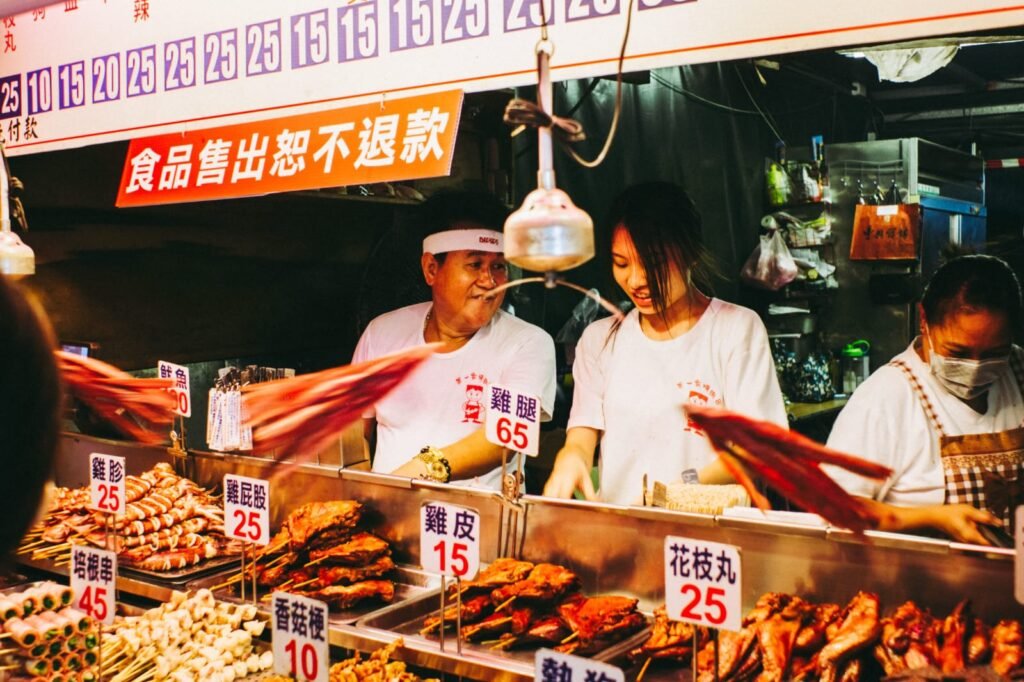
- Follow the Local Foot Traffic: Avoid empty restaurants situated directly adjacent to major tourist monuments. Seek out street stalls and local eateries packed with working-class locals, students, and families. High turnover guarantees that the ingredients are fresh and safe to consume.
- Eat the National Dish: Imported foods (like ordering Western pizza in Southeast Asia) carry heavy import taxes and logistical markups. Eat what grows locally and what the culture specializes in preparing.
- Make Lunch Your Main Restaurant Meal: Many high-end restaurants around the world offer lunch specials or fixed-price menus (Menu del Día in Latin America or Set Lunch in Europe and Asia) that feature the exact same food served at dinner for 30% to 50% less cost.
Step 6: Local Connectivity, Transport, and Tech Optimization :
Navigating a new country smoothly requires constant access to maps, translation tools, ride-hailing services, and emergency contacts.
1. Ditch International Data Roaming Packages :
Home network roaming passes (which often cost $10 per day) are unnecessarily expensive. Instead, pre-purchase an eSIM through services like Airalo or Holafly before landing, or buy a local prepaid SIM card upon arrival for massive data packages at local rates.
2. Public Transit vs. Ride-Hailing Apps :
Relying on traditional airport taxis without meters is an easy way to get overcharged. Trains, metros, and rapid bus networks are invariably cheaper, safer, and frequently faster. When public transit is unavailable late at night, rely on regional ride-sharing platforms:
- Southeast Asia: Grab, Gojek
- Middle East & South Asia: Careem, Yango, Uber
- Latin America & Eastern Europe: InDrive, Bolt
Step 7: Cultural Sightseeing, Free Activities, and City Passes :
You do not need to spend hundreds of dollars on commercial tour tickets to experience the essence of a city.
- Free Walking Tours: Almost every major tourist city globally features free walking tours operated by knowledgeable local guides. They provide deep historical context and safety tips. It is customary to tip the guide a modest amount ($5–$10) based on the value provided.
- Museum Free Days: Many world-class museums in Europe and North America offer free entry on specific days of the week or month (such as the first Sunday of the month or late Thursday evenings).
- Official Tourism City Passes: If you plan on visiting multiple high-ticket paid attractions in a short window, evaluate combined tourism city passes that bundle unlimited public transportation with discounted attraction entries.
Frequently Asked Questions (FAQs) :
How much money do I need to start traveling the world on a budget?
Daily budget requirements vary widely based on region. In budget-friendly regions like Southeast Asia, Central America, or Eastern Europe, a budget traveler can comfortably explore on $30 to $50 USD per day (covering accommodation, food, transport, and basic activities). In higher-cost destinations like Western Europe, North America, or Japan, a realistic low-budget baseline is $70 to $100 USD per day.
Is budget travel safe for solo travelers?
Yes, budget travel is safe if you observe standard situational awareness. Stay in highly rated accommodations with verified guest reviews, avoid walking alone in unlit or unfamiliar neighborhoods late at night, keep digital copies of important travel documents stored securely in cloud storage, and never store all your cash and cards in a single wallet.
How far in advance should I book budget flights?
For international long-haul flights, the optimal booking window is generally 2 to 5 months in advance. Booking too early (over 9 months out) or waiting until the last minute (within 2 weeks of departure) usually results in higher fares. Setting up automated price alerts on Google Flights allows you to monitor fare trends over time.
What is the best way to handle medical emergencies on a budget?
Never travel internationally without dedicated travel medical insurance. Standard health coverage rarely covers emergency medical expenses, evacuation, or trip cancellations abroad. Affordable digital nomad and traveler insurance providers (like SafetyWing or World Nomads) offer comprehensive global medical coverage for as little as $1.50 to $3.00 per day.

Conclusion: Action Plan for Your Next Budget Journey :
Traveling the world on a budget is not a matter of luck; it is a skill that improves with every journey. By choosing your destinations strategically, staying flexible with your transport choices, eating like a local, and leveraging modern digital tools, you unlock the ability to turn bucket-list travel dreams into a recurring lifestyle.
Your 5-Step Action Checklist:
- Select a high-value destination operating in its shoulder season.
- Set up automated flight price tracking alerts on Google Flights.
- Apply for a zero-foreign-fee multi-currency card (like Wise or Revolut).
- Book your initial 3 nights in a highly rated, central boutique hostel or guesthouse.
- Pack light, travel carry-on only, and embrace the adventure!
Looking for destination-specific budget guides? Check out our step-by-step Bali Budget Travel Guide or read our detailed Astola Island Guide for your next adventure.