For generations, undertaking the sacred pilgrimage of Umrah required relying almost entirely on third-party travel agencies. Pilgrims were bound to rigid group schedules, fixed hotel selections, shared buses, and steep middleman markups.
Following Saudi Arabia’s Vision 2030 initiatives, the landscape has completely transformed. Through government digitization, online visa portals, high-speed rail links, and the official Nusuk App, planning a Do-It-Yourself (DIY) Umrah is easier, safer, and more customizable than ever before.
Going the DIY route allows you to select hotels based on your exact budget and proximity preferences, choose your preferred flight itineraries, travel at your own pace, and save 30% to 50% compared to traditional agency packages.
This guide covers every technical, logstical, financial, and practical aspect of organizing a self-guided Umrah.
Part 1: Visas — Choosing the Right Entry Permit
Navigating Saudi entry requirements is the first critical step. Depending on your nationality, residency, and travel history, several visa pathways are available.
1. Tourist E-Visa & Visa on Arrival
Saudi Arabia permits citizens of over 60 eligible countries (as well as qualifying third-nation travelers) to apply for a tourist visa that allows the performance of Umrah (outside the Hajj season).
- Eligibility via Dual-Visas: If you hold a valid tourist or business visa from the United States, United Kingdom, or any Schengen Area country, you qualify for a Saudi Tourist E-Visa or Visa on Arrival—provided you have used that primary visa at least once to enter the issuing country/region.
- GCC Residents: Permanent residents of Gulf Cooperation Council (GCC) nations (UAE, Qatar, Kuwait, Bahrain, Oman) can apply online for a GCC Resident E-Visa regardless of their original nationality.
- Validity & Duration: The Tourist E-Visa is typically a 1-year, multiple-entry visa allowing a maximum stay of up to 90 days per visit.
- Key Benefit: It allows free travel across all Saudi cities, including Riyadh, AlUla, Dammam, Makkah, and Madinah.
2. The Direct Electronic Umrah Visa
If you do not qualify for a standard tourist e-visa or visa-on-arrival, you can secure a dedicated E-Umrah Visa.
- How to Apply: Issued through Saudi-approved online platforms and authorized travel partners.
- Validity & Features: Valid for up to 90 days. It is specifically intended for spiritual pilgrimage and allows travel throughout the Kingdom.
- Requirement: Must be tied to confirmed medical insurance covering emergency care within Saudi Arabia.
3. Transit / Stopover Visas
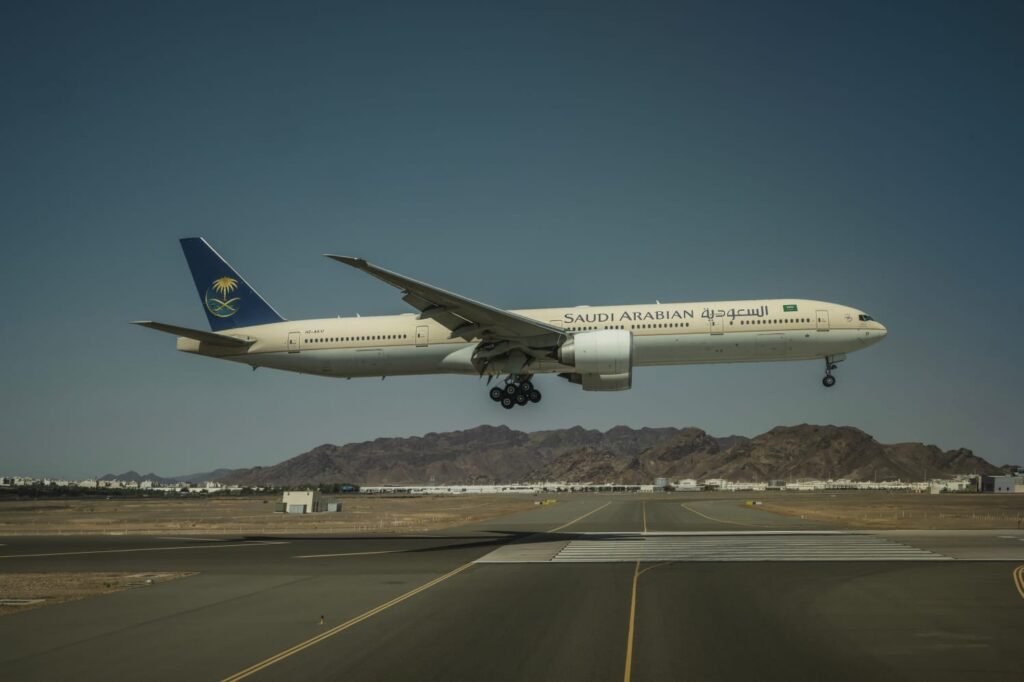
If you are flying via Saudi national carriers (Saudia or Flyadeal), you can apply for an 80-Hour Free Transit Visa during your flight booking.
- Usage: Perfect for a quick, 3- to 4-day “Stopover Umrah” while en route to another international destination.
- Inclusions: Includes a 1-day free hotel stay when booked via specific Saudia promotional packages.
Part 2: Essential Digital Tools & Apps
Operating independently in Saudi Arabia requires setting up key smartphone applications before departure or upon arrival at the airport.
+-----------------------------------------------------------------------------------+
|                            ESSENTIAL DIY UMRAH APPS                               |
+--------------------------+--------------------------------------------------------+
| App Name                 | Primary Purpose & Function                             |
+--------------------------+--------------------------------------------------------+
| Nusuk                    | Mandatory permits for Umrah & Rawdah in Madinah.       |
| HHR Train                | Booking & managing Haramain High-Speed Rail tickets.   |
| Careem / Uber / Bolt     | On-demand ride-hailing with fixed, transparent pricing.|
| Google Maps / Translate  | Navigation, food discovery, & Arabic language translation.|
+--------------------------+--------------------------------------------------------+
Setting Up Local Connectivity
When landing at Jeddah (JED) or Madinah (MED) airports, bypass expensive international roaming by picking up a local tourist SIM card or activating an eSIM (Airalo, Holafly, STC, Mobily, Zain).
- Requirements: You must present your physical passport and visa to register a local SIM card via biometric fingerprint scanning.
- Data Needs: A 10GB to 20GB data package is generally sufficient for a 10-day trip to handle map navigation, ride hailing, and Nusuk permit checks.
Part 3: Step-by-Step Guide to the Nusuk App
The Nusuk Platform is the official gateway managed by the Ministry of Hajj and Umrah to control crowd density, ensure safety, and organize access to holy sites.
                      +-----------------------------+
                      |   Download Nusuk Application|
                      +--------------+--------------+
                                     |
                                     v
                      +-----------------------------+
                      | Create International Account|
                      | (Passport, Visa, DOB, Email)|
                      +--------------+--------------+
                                     |
                                     v
                      +-----------------------------+
                      | Select Ritual Service       |
                      | (Umrah / Rawdah Visit)      |
                      +--------------+--------------+
                                     |
                                     v
                      +-----------------------------+
                      | Choose Date & Time Slot     |
                      | (Keep Digital QR Code Ready)|
                      +-----------------------------+
1. Creating Your Account
- Download the Nusuk App from the Apple App Store or Google Play Store.
- Select International Visitor.
- Input your Visa Number, Passport Number, Nationality, Date of Birth, Email Address, and Mobile Number.
- Create a secure password and enter the OTP (One-Time Password) sent to your email.
2. Securing an Umrah Permit
- Select the Umrah icon from the main dashboard.
- Select your name (or add dependants traveling with you under your account).
- View the availability calendar:
- Green: Low crowd density (ideal).
- Yellow/Orange: Moderate crowd density.
- Red: High crowd density / Fully booked.
- Select your desired time slot, accept the terms, and issue the permit.
- Pro-Tip: Save a screenshot of the digital QR code to your phone gallery in case mobile data is slow near the Haram entrances.
3. Securing a Permit for Riaz-ul-Jannah (The Noble Rawdah – Madinah)
The Rawdah is the sacred area inside Masjid an-Nabawi located between the Prophet’s (PBUH) house and his Minbar (pulpit). Entering this area requires a specific, separate Nusuk permit.
- Gender Segregation: Entry slots are divided strictly by gender. Men and Women have completely different time schedules.
- Slot Release Cycles: Rawdah slots are limited and fill up quickly. Check the app frequently leading up to your trip, as new slots are released in batches weekly.
- Frequency Limit: Saudi regulations generally allow individuals to issue a Rawdah permit once every 365 days to give every pilgrim a fair opportunity.
Part 4: Intercity Transportation — Mastering the Haramain Railway
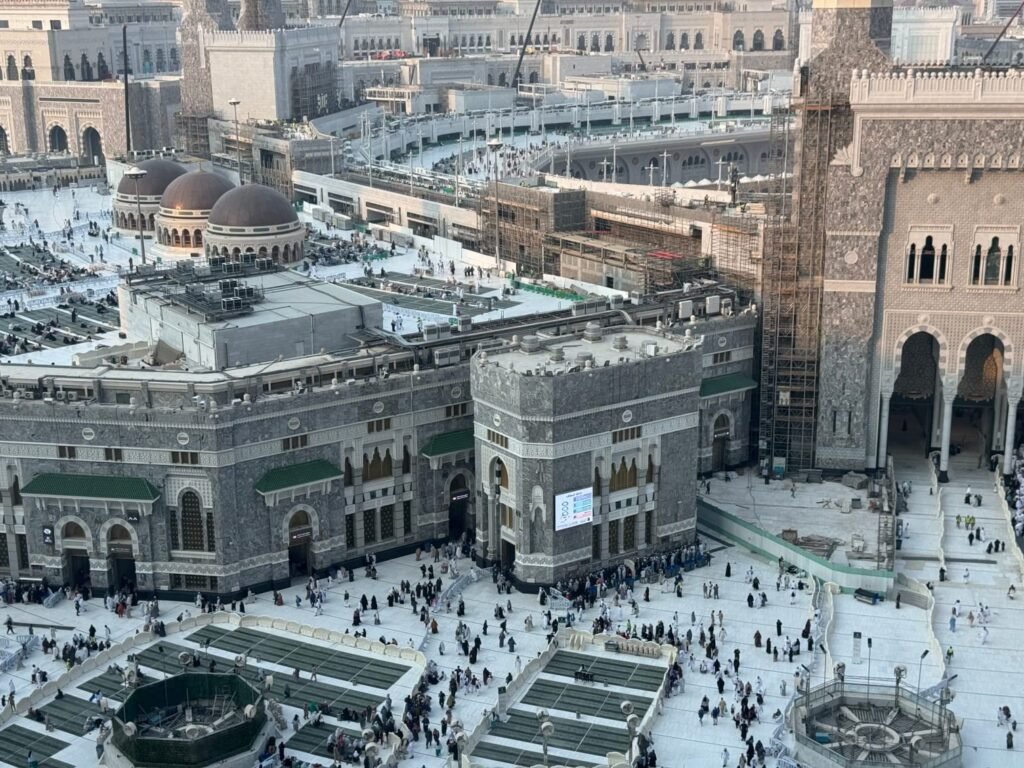
The Haramain High-Speed Railway (HHR) connects Jeddah, Makkah, Madinah, and King Abdullah Economic City (KAEC) with electric trains traveling at speeds up to 300 km/h.
Haramain High-Speed Railway (HHR) Guide: Fast Travel Between Makkah & Madinah
The Haramain High-Speed Railway is the premier mode of transportation for pilgrims and travelers moving between the holy cities of Makkah and Madinah, with stops in Jeddah and King Abdullah Economic City (KAEC). Traveling at speeds of up to 300 km/h, it offers a seamless, comfortable alternative to road travel.
Key Route Information
The railway connects five major stations. Travel times and fares vary based on the distance and class of service selected.
| Route Segment | Approx. Duration | Average Economy Fare |
| Jeddah Airport (JED) → Makkah | ~55 Minutes | $16 – $25 USD |
| Makkah → Madinah | ~2 Hours 20 Mins | $40 – $60 USD |
| Jeddah Airport (JED) → Madinah | ~2 Hours 05 Mins | $35 – $50 USD |
Note: Prices are indicative and fluctuate based on demand, booking time, and ticket class (Economy vs. Business).
Important Train Booking Rules:
- Advance Booking: Ticket windows open 30 days prior to the travel date via
sar.com.saor the HHR app. Early booking is strongly recommended during peak seasons like Ramadan or winter holidays. - Luggage Rules:
- Each passenger is allowed one large suitcase (Dimensions up to 65cm x 55cm x 35cm, max weight 25kg).
- One small hand-carry backpack or handbag.
- Oversized or excess luggage will be rejected at the security scanners.
- Station Locations:
- Makkah Station: Located in the Rusaifah district (approx. 10–15 minutes taxi ride from Masjid al-Haram).
- Madinah Station: Located in the Al-Hadra district (approx. 10 minutes taxi ride from Masjid an-Nabawi).
- Jeddah Airport Station: Built directly inside Terminal 1 of King Abdulaziz International Airport.
Part 5: Accommodation Strategy — Makkah vs. Madinah
Selecting the right hotel is the single largest factor in controlling your trip budget and managing daily physical fatigue.
                      +----------------------------------+
                      |    MAKKAH HOTEL STRATEGY         |
                      +----------------+-----------------+
                                       |
                   +-------------------+-------------------+
                   |                                       |
                   v                                       v
     +---------------------------+           +---------------------------+
     |   COURTYARD / CLOCK TOWER |           |    AZIZIYAH / SHUTTLE     |
     |   - Walking distance      |           |   - 2-4 km from Haram     |
     |   - Direct Haram access   |           |   - 24/7 free bus transport|
     |   - High price point      |           |   - Budget-friendly rates |
     +---------------------------+           +---------------------------+
Makkah Accommodation Framework
Option A: Courtyard & Clock Tower Hotels (Luxury & Convenience)
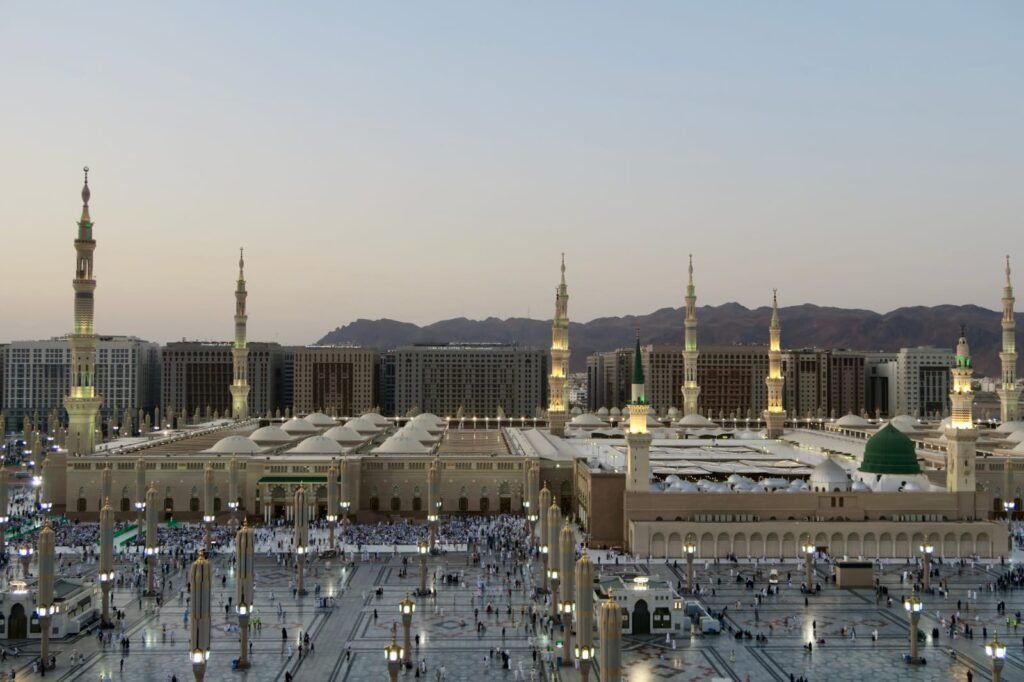
- Locations: Abraj Al Bait (Clock Tower), Jabal Omar Complex, Ibrahim Al Khalil Road.
- Pros: Direct elevator or short walking access to the Haram courtyard. Ideal for families with young children, elderly pilgrims, or individuals with mobility challenges.
- Cons: Higher nightly rates, particularly during peak weekend periods (Thursday–Saturday).
Option B: Shuttle Bus Hotels (Budget-Friendly)
- Locations: Mahbas Al Jin, Aziziyah, Al Maabda, Kudai.
- Pros: Clean, modern 3-star and 4-star properties available at a third of the cost of courtyard hotels.
- How It Works: These hotels operate dedicated, free 24/7 shuttle buses that pick up pilgrims outside the hotel lobby and drop them off at the central Haram underground transit stations (e.g., Kudai or Ajyad bus stations).
Madinah Accommodation Framework
Unlike Makkah’s hilly terrain, Madinah’s central zone (Markaziah) is flat, circular, and highly pedestrianized.
- Northern Markaziah: Generally preferred for female travelers, as Gate 337 and the surrounding northern entrances provide the closest access to the designated women’s prayer sections and Rawdah access gates.
- Southern & Western Markaziah: Excellent 3-star and 4-star options offering a 5- to 10-minute flat walk to the outer courtyards of Masjid an-Nabawi.
Part 6: Step-by-Step Ritual Execution (Ihram & Umrah)
Performing Umrah independently requires a clear understanding of the sacred rituals and where they take place.
+-----------------------------------------------------------------------------------+
|                            THE FOUR STAGES OF UMRAH                               |
+-----------------------------------------------------------------------------------+
| 1. IHRAM          | Intent (Niyyah) & recitation of Talbiyah before the Meeqat.   |
| 2. TAWAF          | Seven anti-clockwise circumambulations of the Holy Kaaba.     |
| 3. SA'I           | Seven laps back and forth between the hills of Safa and Marwah.  |
| 4. HALQ / TAQSEER | Shaving (men) or trimming (women) hair to exit Ihram state.   |
+-----------------------------------------------------------------------------------+
Step 1: Entering the State of Ihram
- The Meeqat: You must enter the state of Ihram before crossing the designated boundary (Meeqat).
- Flying directly to Jeddah: If your flight route passes over the Meeqat line, put on your Ihram garments at home or during your airport layover, and state your intention (Niyyah) on the plane shortly before the captain announces the Meeqat crossing.
- Traveling from Madinah to Makkah: Your Meeqat is Dhul Hulaifah (Abyar Ali). You can change into Ihram at your Madinah hotel or directly at the Dhul Hulaifah mosque station before boarding your train or taxi.
Step 2: Performing Tawaf at Masjid al-Haram
- Enter Masjid al-Haram with your right foot, offering the supplication for entering a mosque.
- Proceed to the ground floor Mataf area surrounding the Kaaba.
- Begin your Tawaf at the Black Stone (Hajar al-Aswad) corner (marked by a green light indicator on the courtyard wall).
- Complete seven full rounds anti-clockwise, keeping the Kaaba to your left.
- Offer two Rak’ats of Nafl prayer behind Maqam Ibrahim (or anywhere in the Haram if the area is crowded) and drink Zamzam water.
Step 3: Performing Sa’i (Safa and Marwah)
- Move toward the gallery connecting the hills of Safa and Marwah.
- Begin at Mount Safa, face the Kaaba, and make supplication.
- Walk toward Mount Marwah. (Men trot between the designated green-lit markers; women maintain a standard walking pace).
- Reaching Marwah completes lap 1. Return to Safa to complete lap 2.
- Repeat until seven individual laps are completed, ending at Mount Marwah on the 7th lap.
Step 4: Exiting Ihram (Halq or Taqseer)
- Men: Shave the head completely (Halq, recommended) or trim hair evenly across the entire head (Taqseer). Barber shops are located in the commercial centers under the Clock Tower and surrounding plazas.
- Women: Trim a small portion of hair equivalent to the length of a fingertip (approx. 1 inch) from the ends.
- Once completed, your Umrah is fulfilled and all Ihram restrictions are lifted.
Part 7: Comprehensive 10-Day DIY Master Itinerary
Here is a balanced, field-tested 10-day itinerary spanning both Makkah and Madinah.
Days 1-5: Makkah al-Mukarramah ===> Haramain Train (2.5 hrs) ===> Days 5-10: Madinah al-Munawwarah
Day 1: Arrival & Umrah Execution
- Arrive at Jeddah King Abdulaziz International Airport (JED) already in Ihram.
- Clear immigration, obtain your SIM card, and head to the airport train station.
- Take the 54-minute Haramain train to Makkah.
- Check into your hotel, drop off your luggage, and head directly to Masjid al-Haram to perform Tawaf, Sa’i, and Halq/Taqseer.
Day 2: Rest, Recovery & Haram Focus
- Focus on physical recovery after the flight and Umrah.
- Perform all five daily prayers inside Masjid al-Haram.
- Spend time engaged in personal dua, Quran reading, and optional Tawaf on the upper floors during off-peak hours (midnight to 3:00 AM).
Day 3: Makkah Historical Ziyarat
- Hire a local driver via Careem or taxi for a half-day tour of historical sites:
- Jabal al-Nour (Cave of Hira): The site where the first revelation of the Quran occurred.
- Jabal Thawr: The cave where the Prophet (PBUH) and Abu Bakr (RA) took refuge during the Migration.
- Mina, Arafat, and Muzdalifah: The sacred sites of the Hajj pilgrimage.
Day 4: Deep Worship & Local Exploration
- Perform voluntary prayers in the Haram.
- Visit local Islamic culture centers and exhibition spaces, such as the Revelation Exhibition near Mount Hira.
- Purchase local souvenirs, prayer rugs, and perfumes from the markets surrounding the Haram area.
Day 5: Farewell Tawaf & Travel to Madinah
- Perform Tawaf al-Wadaa (Farewell Tawaf) in Makkah.
- Check out of your hotel and take a taxi to Makkah Haramain Train Station.
- Board the 2.5-hour high-speed train to Madinah.
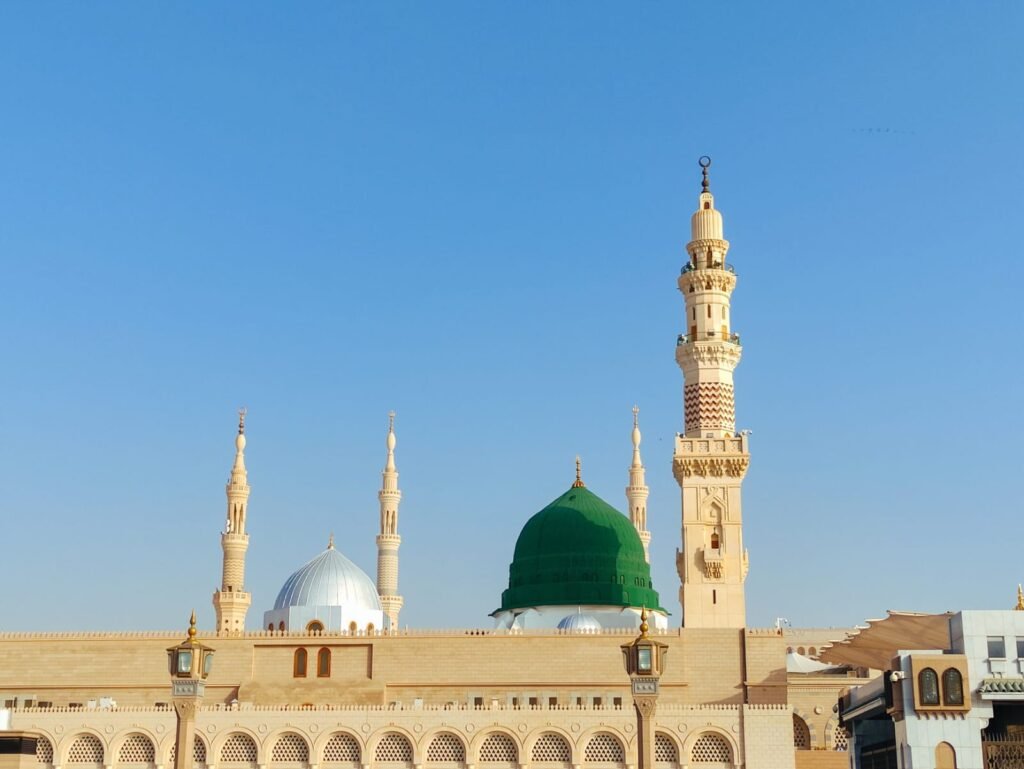
- Check into your Madinah hotel, walk to Masjid an-Nabawi, offer your prayers, and present your greetings (Salam) at the Prophet’s Mosque.
Day 6: Riaz-ul-Jannah & Masjid an-Nabawi
- Present your Nusuk Permit at the assigned gate to enter Riaz-ul-Jannah (The Noble Rawdah).
- Spend your allocated time offering Nafl prayers and making supplication in this blessed space.
- Spend the afternoon reading and reflecting in the courtyards of Masjid an-Nabawi.
Day 7: Madinah Historical Ziyarat
- Visit key historic landmarks around Madinah:
- Masjid Quba: The first mosque built in Islamic history. Offering two Rak’ats of Nafl prayer here carries a reward equivalent to performing an Umrah.
- Mount Uhud & Archers’ Hill: Visit the site of the Battle of Uhud and pay respects at the Martyrs’ Cemetery (Shuhada Uhud).
- Masjid al-Qiblatayn: The mosque where the orientation of the Qibla was redirected toward Makkah.
Day 8: Madinah Cultural & Date Market Tour
- Visit the International Fair and Museum of the Prophet’s Biography and Islamic Civilization, located near the courtyards of Masjid an-Nabawi.
- Explore the Central Date Market of Madinah to purchase premium date varieties like Ajwa, Amber, Safawi, and Majdool directly from local suppliers.
Day 9: Spiritual Reflection & Preparation
- Spend a quiet day focusing on prayers and quiet reflection at the Prophet’s Mosque.
- Pack luggage, ensure Zamzam water allowances are secured, and complete final errands.
Day 10: Departure
- Check out of your Madinah hotel.
- Take a taxi to Madinah Airport (MED) or take the Haramain Train to Jeddah Airport (JED) for your international flight home.
Part 8: Financial Planning & Detailed Cost Breakdown
Budgeting accurately requires breaking down expenses into static costs (visas, transport) and variable costs (hotels, meals).
Money-Saving Hacks for DIY Pilgrims:
- Food: Avoid eating every meal inside hotel dining rooms. Fast-casual options like Albaik (famous local fried chicken), local shawarma stands, and rice/kabsa eateries offer delicious, hygienic, and extremely inexpensive meals ($3 to $6 USD per meal).
- Zamzam Water Policy: Official 5-liter Zamzam water bottles can be purchased at designated airport kiosks at Jeddah or Madinah airports for approximately 12.5 SAR ($3.30 USD) upon presenting your passport and valid flight booking. (Check your airline’s specific policy regarding checked Zamzam allowances).
- Currency Conversion: Avoid airport money exchange counters with wide spreads. Use local ATMs in Makkah or Madinah to withdraw Saudi Riyals directly using low-foreign-fee debit or credit cards.
Part 9: Health, Safety & Practical Tips
- Footwear Management: You will walk between 10,000 to 20,000 steps daily during Umrah and daily visits to the mosques. Invest in cushioned, supportive footwear. Bring a small draw-string bag to store your shoes when entering the carpeted prayer areas.
- Hydration & Sun Protection: Makkah and Madinah can be hot year-round. Drink Zamzam water regularly from the cold water dispensers provided throughout the courtyards, and use an umbrella during daytime walks.
- Peak Hours Avoidance: To avoid severe crowds at the Mataf during Umrah, schedule your Tawaf late at night (between 11:00 PM and 3:00 AM) or after the Ishraq period shortly after sunrise.
“If you are planning other international budget trips alongside your spiritual journey, check out our detailed [Baku Travel Guide] .”