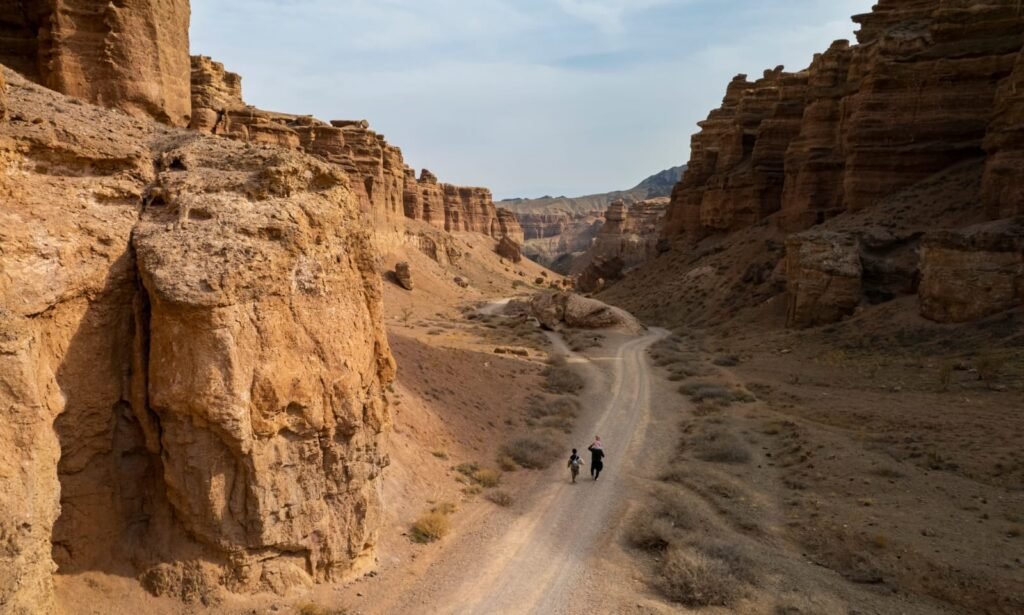
Spanning over an impressive 6,100 square kilometers, Hingol National Park is Pakistan’s largest and arguably most surreal national park. Nestled along the Makran Coastal Highway, this natural wonder is a striking blend of otherworldly rock formations, deep river canyons, rich wildlife, and ancient spiritual heritage. From the majestic ibex scaling the rugged cliffs to the sacred cliffs surrounding the historic Hinglaj Mata Mandir https://en.wikipedia.org/wiki/Hinglaj_Mata and the mysterious Chandragup mud volcanoes, Hingol is a paradise for adventurers and explorers alike. This ultimate travel guide will walk you through the top attractions, wildlife, routes, and everything you need to know for an unforgettable journey.
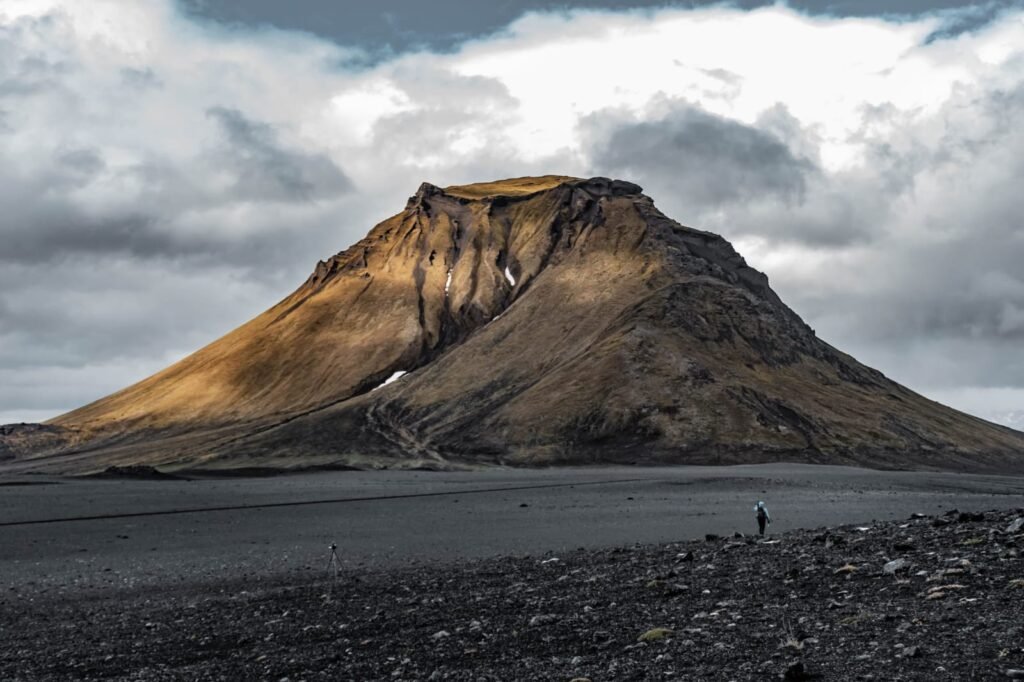
How to Reach Hingol National Park:
Route Planning :
Driving Distance from Karachi :
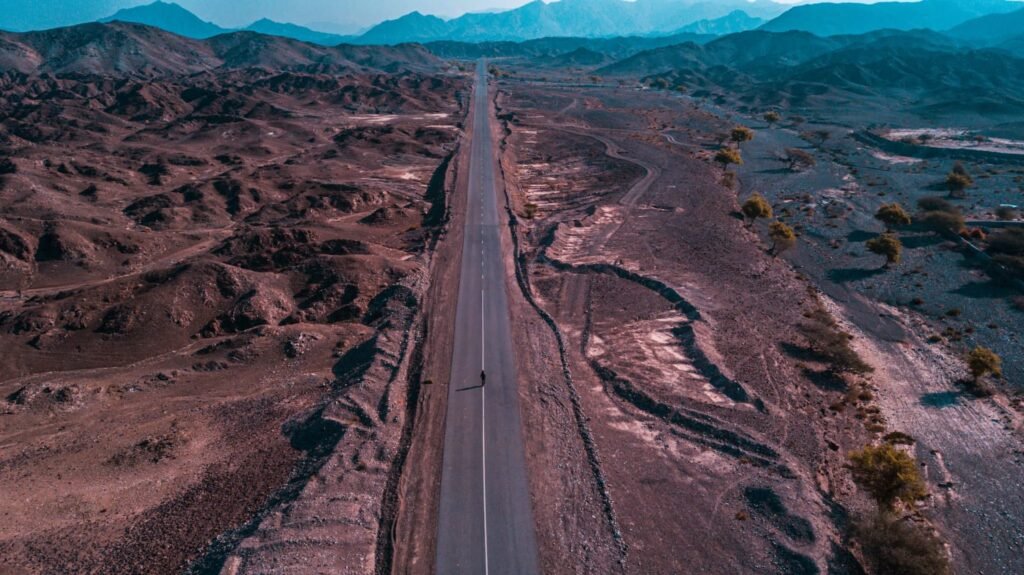
The park is highly accessible thanks to the paved coastal road network, making it an excellent extension or standalone trip from Sindh’s capital.
Karachi to Hingol National Park Entrance:
Approximately 190 km to 200 km (around 3.5 hours of driving time via the Hub River Road and N-10 Makran Coastal Highway).
Road Condition:
The highway itself is in pristine condition, but once you veer off the main road to reach specific spots inside the park (like the mud volcanoes or deep canyon areas), the tracks can become unpaved and bumpy. A high-clearance vehicle or 4×4 is highly recommended if you want to explore deep inside.
“On your way, you can also explore Kund Malir. Check out our detailed [Ultimate Ormara Beach & Kund Malir Travel Guide: All You Need to Know] for more details.”
Top Attractions Inside the Park :
The Mystic Hinglaj Mata Mandir :
Tucked deep within the rugged mountain gorges of the park lies the ancient Hinglaj Mata Mandir (also known as Hinglaj Devi). Situated on the banks of the Hingol River, this historic cave temple is one of the most sacred Hindu pilgrimage sites (Shakti Peethas) in the world. Every year, thousands of pilgrims gather here for the annual Hinglaj Yatra. The journey to the temple itself is incredibly scenic, surrounded by towering mud cliffs that feel straight out of a Hollywood movie.
The Active Chandragup Mud Volcanoes :
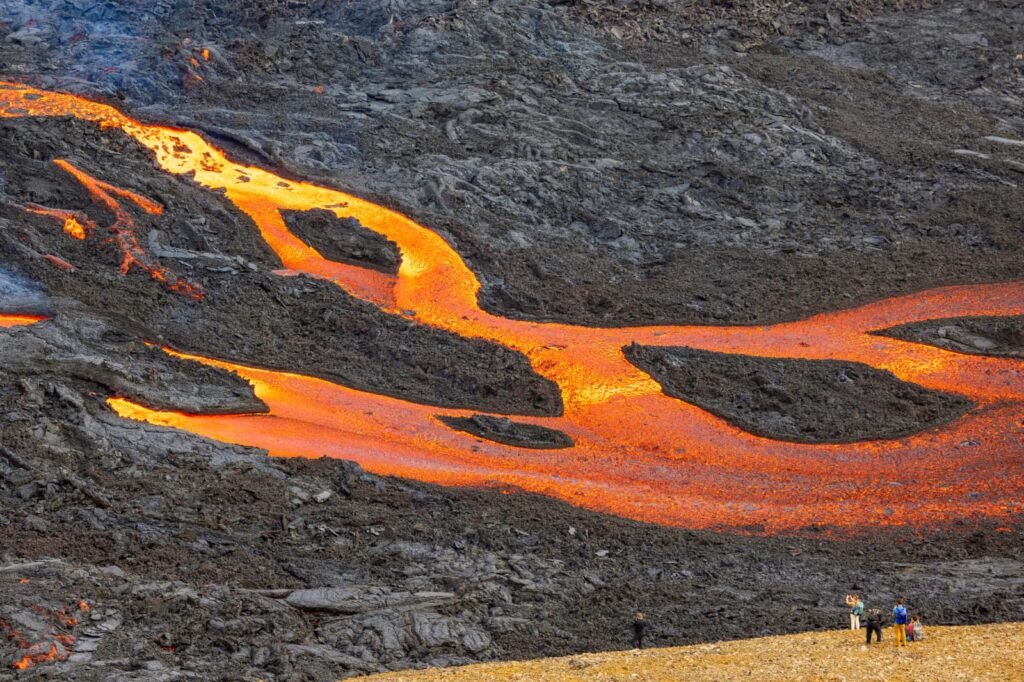
One of the most unique geological features of Balochistan is its collection of mud volcanoes, and Chandragup is the most famous among them. These are not standard lava volcanoes; instead, they spew cold, bubbling mud. Chandragup is considered a holy site by pilgrims, who climb the steep, conical mud mountain to pay their respects before heading to the temple. Standing at the rim and watching the methane gas bubble through the grey mud is a mesmerizing experience.
Unique Rock Formations: Sphinx & Princess of Hope :
Right off the main highway passing through the park, you will encounter the famous natural rock formations carved entirely by wind and rain over centuries. The Princess of Hope stands tall like a royal silhouette guarding the desert, while the Sphinx of Balochistan bears an uncanny resemblance to the ancient Egyptian monument.
Wildlife and Biodiversity :
Hingol National Park is not just about rocks and sand; it is a thriving ecosystem that protects diverse wildlife species:
Marsh Crocodiles: The Hingol River is home to a significant population of local marsh crocodiles, which can often be spotted basking on the muddy banks.
Mammals: Keep an eyes on the high ridges for the Sindh Ibex and Blandford’s Urial. The park is also known to provide a habitat for the elusive desert fox and striped hyenas.
Bird Watching: The estuary where the Hingol River meets the Arabian Sea attracts hundreds of migratory birds during the winters, making it a hotspot for birdwatchers.
Important Travel Tips & Guidelines :
To make sure your trip into the park goes smoothly, keep these essentials in mind:
Check Posts & Registration: As with most travel in Balochistan, keep your original CNIC and car documents handy. You will pass through security check posts where basic registration is required.
Check Posts & Registration: As with most travel in Balochistan, keep your original CNIC and car documents handy. You will pass through security check posts where basic registration is required.
No Inside Commercial Amenities: There are no fancy restaurants, luxury hotels, or standard petrol pumps deep inside the park. Always pack plenty of drinking water, snacks, and top up your fuel before leaving Hub.
Respect Local Culture & Sites: Whether you are visiting the Hinglaj temple or climbing the sacred mud volcanoes, ensure you respect the spiritual sanctity of the sites. Dress modestly and do not litter.
Best Time of Year to Visit Hingol National Park :
The ideal season to explore Hingol National Park is during the cooler months, from October to March. During this period, daytime temperatures remain comfortable for outdoor exploration, and nighttime weather is pleasantly brisk. Visiting during the peak summer months (May to August) is generally discouraged due to extreme heat and high humidity, which can make trekking near the rock formations or climbing the Chandragup mud volcanoes physically exhausting.
Ideal Itinerary: Day Trip vs. Overnight Camping:
The 1-Day Express Tour:
If you are short on time, a day trip starting early morning from Karachi (around 5:00 AM) allows you to visit the Chandragup Mud Volcanoes, explore the Hinglaj Mata Mandir, and take quick photos at the Princess of Hope before heading back by evening.
The 2-Day Adventure Experience :
To truly soak in the landscape, plan an overnight trip. Spend your first day exploring the mud volcanoes and sacred cave temple, then head towards Kund Malir Beach to set up camp under the stars. On Day 2, visit the Sphinx and Princess of Hope at sunrise before taking a relaxed drive back home.
Essential Safety & Eco-Travel Checklist :
To ensure your journey into Balochistan’s wilderness is both safe and eco-friendly, keep these vital habits in mind:
- Download Offline Maps: Cell phone signals become non-existent once you drive deep into the park canyons. Make sure your route maps are downloaded for offline use before leaving Karachi.
- Leave No Trace Behind: Hingol is an ecologically sensitive national park. Pack reusable water bottles, carry trash bags in your vehicle, and take all your garbage back with you to keep the park pristine.
- Drive Responsibly off the Highway: Stick to marked tracks when driving towards interior attractions. Driving off-road recklessly can harm sensitive desert soil and disrupt local wildlife habitats.
- Stay Hydrated & Carry Emergency Supplies: The arid desert heat can dehydrate you quickly. Keep at least 5 to 10 liters of extra drinking water, high-energy snacks, a first-aid kit, and a tire inflator in your trunk.
Conclusion: Why You Must Visit Hingol :
Hingol National Park is a testament to Pakistan’s diverse landscape. It offers a rare mix of wildlife, spirituality, and geography that you cannot find anywhere else in the country. It is the perfect adventure for anyone wanting to see the raw, wild side of Balochistan.